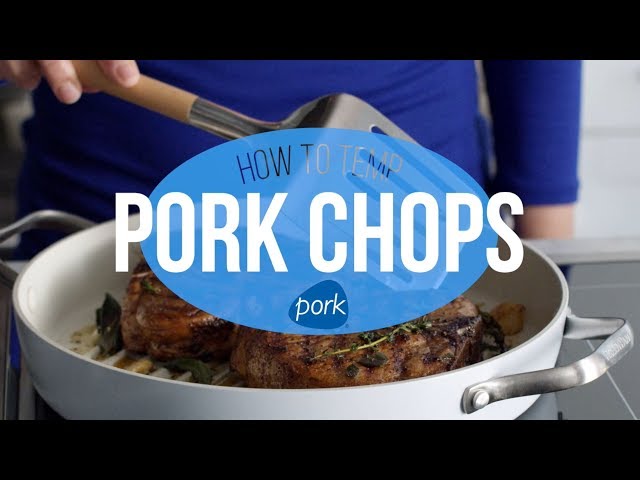
Cooking pork to the proper inside temperature is essential to make sure its security and high quality. The really useful inside temperature for cooked pork, as per the USDA, is 145 levels Fahrenheit. At this temperature, the pork is taken into account suitable for eating and will likely be tender and juicy. Pork cooked under 145 levels Fahrenheit might harbor dangerous micro organism, whereas pork cooked above 145 levels Fahrenheit might turn out to be dry and difficult.
Utilizing a meat thermometer to precisely measure the inner temperature of the pork is crucial. Insert the thermometer into the thickest a part of the meat, avoiding any bones. As soon as the thermometer reaches 145 levels Fahrenheit, take away the pork from the warmth and permit it to relaxation for 5-10 minutes earlier than slicing and serving. This resting interval permits the juices to redistribute all through the meat, leading to a extra flavorful and tender consuming expertise.
It is very important notice that completely different cuts of pork might have barely completely different cooking instances. For instance, pork chops sometimes prepare dinner quicker than pork roasts. It’s at all times finest to seek the advice of a dependable recipe or cooking useful resource for particular cooking instances and temperatures for the actual minimize of pork you’re getting ready.
By following correct cooking strategies and utilizing a meat thermometer, you’ll be able to be certain that your pork dishes are secure, flavorful, and pleasant.
Temp to Prepare dinner Pork
Cooking pork to the proper inside temperature is crucial for security and high quality. Listed here are 9 key elements to think about:
- USDA Suggestion: 145F (63C)
- Secure Zone: 145F (63C) or greater
- Hazard Zone: Under 145F (63C)
- Inner Temperature: Use a meat thermometer to measure the thickest a part of the meat
- Resting Time: Enable the meat to relaxation for 5-10 minutes earlier than slicing and serving
- Minimize of Pork: Completely different cuts have completely different cooking instances (e.g., chops vs. roasts)
- Foodborne Sickness: Cooking pork under 145F (63C) can result in foodborne sickness
- Tenderness: Pork cooked to 145F (63C) is tender and juicy
- Dryness: Pork cooked above 145F (63C) can turn out to be dry and difficult
By following these tips, you’ll be able to be certain that your pork dishes are secure, flavorful, and pleasant. Bear in mind to make use of a meat thermometer to precisely measure the inner temperature, and prepare dinner the pork to the really useful 145F (63C) or greater. This may assist forestall foodborne sickness and be certain that your pork is cooked to perfection.
USDA Suggestion
The USDA (United States Division of Agriculture) recommends cooking pork to an inside temperature of 145F (63C) to make sure security and high quality. Pork cooked to this temperature is suitable for eating and will likely be tender and juicy. Cooking pork under 145F (63C) might harbor dangerous micro organism, whereas pork cooked above 145F (63C) might turn out to be dry and difficult.
The USDA advice of 145F (63C) is predicated on scientific analysis that has proven that this temperature is ample to kill dangerous micro organism that could be current in pork. Cooking pork to this temperature additionally helps to make sure that the meat is cooked evenly all through, which is necessary for each security and high quality.
It is very important notice that completely different cuts of pork might have barely completely different cooking instances. For instance, pork chops sometimes prepare dinner quicker than pork roasts. It’s at all times finest to seek the advice of a dependable recipe or cooking useful resource for particular cooking instances and temperatures for the actual minimize of pork you’re getting ready.
By following the USDA advice of cooking pork to 145F (63C), you’ll be able to be certain that your pork dishes are secure, flavorful, and pleasant.
Secure Zone
The “secure zone” for cooking pork is 145F (63C) or greater. Which means that pork needs to be cooked to an inside temperature of a minimum of 145F (63C) to make sure that it’s suitable for eating. Cooking pork under this temperature might harbor dangerous micro organism, whereas cooking pork above this temperature might trigger it to turn out to be dry and difficult.
- Stopping Foodborne Sickness: Cooking pork to 145F (63C) or greater helps to forestall foodborne sickness by killing dangerous micro organism that could be current within the meat. These micro organism may cause quite a lot of signs, together with nausea, vomiting, diarrhea, and stomach ache.
- Making certain Tenderness and Juiciness: Cooking pork to 145F (63C) or greater additionally helps to make sure that the meat is tender and juicy. Pork cooked to a decrease temperature could also be powerful and dry.
- USDA Suggestion: The USDA (United States Division of Agriculture) recommends cooking pork to a minimal inside temperature of 145F (63C). This advice is predicated on scientific analysis that has proven that this temperature is ample to kill dangerous micro organism and make sure the security of pork.
- Utilizing a Meat Thermometer: To make sure that pork is cooked to the proper temperature, you will need to use a meat thermometer. Insert the thermometer into the thickest a part of the meat, avoiding any bones. The thermometer ought to learn 145F (63C) or greater earlier than the pork is faraway from the warmth.
By following these tips, you’ll be able to be certain that your pork dishes are secure, flavorful, and pleasant.
Hazard Zone
The “Hazard Zone” for pork is the temperature vary between 40F (4C) and 145F (63C). On this temperature vary, micro organism can develop and multiply quickly, probably inflicting foodborne sickness. Due to this fact, you will need to prepare dinner pork to an inside temperature of 145F (63C) or greater to make sure security.
Cooking pork under 145F (63C) can result in foodborne sickness as a result of micro organism can survive and multiply on this temperature vary. These micro organism may cause quite a lot of signs, together with nausea, vomiting, diarrhea, and stomach ache. In some circumstances, foodborne sickness may be severe and even life-threatening.
To stop foodborne sickness, you will need to prepare dinner pork to the proper inside temperature. This may be finished utilizing a meat thermometer. Insert the thermometer into the thickest a part of the meat, avoiding any bones. The thermometer ought to learn 145F (63C) or greater earlier than the pork is faraway from the warmth.
By following these tips, you’ll be able to be certain that your pork dishes are suitable for eating. Bear in mind to prepare dinner pork to an inside temperature of 145F (63C) or greater, and keep away from the “Hazard Zone” of 40F (4C) to 145F (63C).
Inner Temperature
Precisely measuring the inner temperature of pork is essential for guaranteeing its security and high quality. Utilizing a meat thermometer to measure the thickest a part of the meat is probably the most dependable methodology to find out if the pork has reached the specified inside temperature for secure consumption.
- Accuracy and Precision: Meat thermometers present a exact and correct studying of the inner temperature, eliminating guesswork and guaranteeing that the pork is cooked to the proper temperature all through.
- Security: Utilizing a meat thermometer helps forestall undercooking, which might result in foodborne diseases brought on by dangerous micro organism. By measuring the inner temperature, you’ll be able to be certain that the pork has reached a secure temperature to kill any potential pathogens.
- Tenderness and Juiciness: Cooking pork to the proper inside temperature not solely ensures security but additionally contributes to its tenderness and juiciness. Overcooking may end up in dry and difficult pork, whereas undercooking can depart it undercooked and probably unsafe.
- USDA Pointers: The USDA recommends cooking pork to a minimal inside temperature of 145F (63C) to make sure security. Utilizing a meat thermometer permits you to confirm that the pork has reached this temperature or greater.
In abstract, utilizing a meat thermometer to measure the thickest a part of the meat is crucial for guaranteeing the protection, high quality, and pleasure of pork dishes. By following this apply, you’ll be able to forestall foodborne diseases, obtain the specified degree of doneness, and savor the complete taste and texture of completely cooked pork.
Resting Time
Resting time is an often-overlooked however essential element of cooking pork to perfection. After reaching the specified inside temperature, permitting the meat to relaxation for 5-10 minutes earlier than slicing and serving considerably enhances its high quality and consuming expertise.
Throughout the resting interval, a number of necessary processes happen. First, the juices redistribute all through the meat, leading to a extra evenly moist and flavorful dish. Slicing the meat instantly after cooking may cause the juices to flee, leaving it dry and fewer flavorful. Resting permits the juices to settle, guaranteeing most tenderness and juiciness in each chew.
Secondly, resting time permits the meat fibers to chill out and tenderize additional. The excessive warmth of cooking causes the muscle fibers to contract. Resting permits these fibers to chill out, leading to a extra tender and pleasant texture.
Incorporating resting time into the cooking course of is crucial for reaching the most effective outcomes when cooking pork. It’s a easy but efficient method that elevates the flavour, texture, and general high quality of your dish. By understanding the connection between resting time and the “temp to prepare dinner pork,” you’ll be able to elevate your culinary expertise and impress your visitors with completely cooked pork dishes each time.
Minimize of Pork
Understanding the completely different cooking instances of assorted pork cuts is essential when figuring out the optimum “temp to prepare dinner pork.” Completely different cuts have various thicknesses, fats contents, and connective tissues, which have an effect on their cooking instances and the temperatures at which they’re secure to devour.
For example, pork chops are comparatively skinny and boneless, making them faster to prepare dinner than thicker cuts like pork roasts. Chops sometimes require a shorter cooking time and might attain a secure inside temperature of 145F (63C) inside 20-Half-hour, relying on their thickness. In distinction, pork roasts, that are bigger and infrequently comprise bones, require longer cooking instances to make sure that the inner temperature reaches 145F (63C) all through your complete roast. This may take wherever from 1-2 hours or extra, relying on the dimensions of the roast.
Recognizing the affect of minimize on cooking time is crucial for reaching the specified doneness and guaranteeing meals security. By choosing the suitable cooking methodology and adjusting the cooking time primarily based on the particular minimize of pork, you’ll be able to optimize the flavour, texture, and security of your pork dishes.
In abstract, contemplating the “Minimize of Pork” is a crucial facet of figuring out the “temp to prepare dinner pork.” Understanding the various cooking instances of various cuts empowers you to prepare dinner pork dishes with confidence, guaranteeing each security and culinary satisfaction.
Foodborne Sickness
Making certain the right “temp to prepare dinner pork” is paramount to forestall foodborne diseases brought on by undercooked pork. Cooking pork under the really useful inside temperature of 145F (63C) creates a positive atmosphere for the expansion and multiplication of dangerous micro organism, rising the danger of foodborne diseases.
Foodborne diseases, typically brought on by micro organism corresponding to Salmonella and E. coli, can result in a spread of signs, together with nausea, vomiting, diarrhea, stomach ache, and fever. In extreme circumstances, foodborne diseases may cause dehydration, organ failure, and even demise. Cooking pork to the right temperature is a crucial step in stopping these diseases and guaranteeing the protection of your meals.
Understanding the connection between “Foodborne Sickness: Cooking pork under 145F (63C) can result in foodborne sickness” and “temp to prepare dinner pork” is essential for accountable meals dealing with and preparation. By adhering to the really useful cooking temperatures and utilizing a meat thermometer to precisely measure the inner temperature, you’ll be able to reduce the danger of foodborne diseases and luxuriate in pork dishes with confidence.
Tenderness
Attaining the right tenderness and juiciness in pork dishes is straight linked to the idea of “temp to prepare dinner pork.” Cooking pork to an inside temperature of 145F (63C) is essential to make sure a flavorful and pleasant consuming expertise.
- Muscle Fiber Breakdown: Cooking pork to 145F (63C) permits the muscle fibers to interrupt down and turn out to be extra tender. The warmth causes the collagen, a connective tissue, to dissolve, leading to a softer texture.
- Moisture Retention: Cooking pork to the right temperature helps retain moisture inside the meat. This prevents the pork from turning into dry and difficult, guaranteeing a juicy and succulent dish.
- Taste Growth: Cooking pork to 145F (63C) permits for optimum taste growth. The warmth releases the pure flavors of the pork, enhancing its style and aroma.
- Meals Security: Cooking pork to the really useful temperature of 145F (63C) is crucial for meals security. This temperature ensures that any dangerous micro organism current within the meat are eradicated, stopping foodborne diseases.
Understanding the connection between “Tenderness: Pork cooked to 145F (63C) is tender and juicy” and “temp to prepare dinner pork” empowers you to organize pork dishes that aren’t solely secure but additionally bursting with taste and tenderness. By adhering to the really useful cooking temperatures and utilizing a meat thermometer to precisely measure the inner temperature, you’ll be able to persistently obtain completely cooked pork that can delight your style buds and impress your visitors.
Dryness
Understanding the connection between “Dryness: Pork cooked above 145F (63C) can turn out to be dry and difficult” and “temp to prepare dinner pork” is crucial for reaching completely cooked pork dishes. Cooking pork above the really useful inside temperature of 145F (63C) can result in dryness and toughness, negatively impacting the general high quality and pleasure of your meal.
When pork is cooked above 145F (63C), the muscle fibers proceed to contract and tighten, leading to a tricky and chewy texture. Moreover, the moisture inside the meat evaporates extra quickly at greater temperatures, resulting in dryness. Overcooked pork lacks the tenderness and juiciness that’s attribute of correctly cooked pork.
To keep away from dry and difficult pork, it’s essential to stick to the really useful cooking temperatures and use a meat thermometer to precisely measure the inner temperature. By cooking pork to the right temperature, you’ll be able to retain the moisture and tenderness of the meat, guaranteeing a flavorful and satisfying eating expertise.
FAQs on Cooking Pork to the Excellent Temperature
Cooking pork to the right inside temperature is crucial for security and pleasure. Listed here are solutions to some continuously requested questions in regards to the “temp to prepare dinner pork”:
Query 1: What’s the really useful inside temperature for cooked pork?
Reply: The USDA recommends cooking pork to an inside temperature of 145F (63C) to make sure security and optimum high quality. This temperature is excessive sufficient to kill dangerous micro organism whereas preserving the pork’s tenderness and juiciness.
Query 2: Why is it necessary to make use of a meat thermometer when cooking pork?
Reply: Utilizing a meat thermometer is probably the most correct solution to decide if pork has reached the specified inside temperature. Counting on visible cues alone may be deceptive, as the colour of the meat might not at all times point out its security.
Query 3: What occurs if pork is cooked under the really useful temperature?
Reply: Cooking pork under 145F (63C) will increase the danger of foodborne sickness because of the potential presence of dangerous micro organism. Undercooked pork might seem finished on the surface however may nonetheless comprise reside micro organism.
Query 4: What occurs if pork is cooked above the really useful temperature?
Reply: Cooking pork above 145F (63C) may end up in dryness and toughness. Because the temperature rises, the muscle fibers contract and lose moisture, making the pork much less tender and flavorful.
Query 5: Are there completely different cooking instances for various cuts of pork?
Reply: Sure, completely different cuts of pork have various cooking instances attributable to their thickness, fats content material, and bone construction. Thinner cuts like pork chops prepare dinner extra rapidly than thicker cuts like pork roasts.
Query 6: How can I be certain that pork is cooked evenly all through?
Reply: To make sure even cooking, insert the meat thermometer into the thickest a part of the pork, avoiding any bones. Prepare dinner the pork till the thermometer reaches the specified inside temperature.
By following these tips, you’ll be able to prepare dinner pork to perfection, guaranteeing each security and taste. Bear in mind to make use of a meat thermometer and prepare dinner pork to an inside temperature of 145F (63C).
Transition to the following article part: Within the subsequent part, we’ll discover the well being advantages of consuming pork and supply ideas for incorporating it right into a nutritious diet.
Ideas for Cooking Pork to Perfection
Cooking pork to the right inside temperature is essential for security and pleasure. Listed here are 5 important ideas that can assist you obtain completely cooked pork each time:
Tip 1: Use a meat thermometer.
Probably the most correct solution to decide if pork is cooked to the specified inside temperature is to make use of a meat thermometer. Insert the thermometer into the thickest a part of the pork, avoiding any bones. Prepare dinner the pork till the thermometer reaches an inside temperature of 145F (63C).
Tip 2: Prepare dinner pork to the right inside temperature.
The USDA recommends cooking pork to an inside temperature of 145F (63C) to make sure security and optimum high quality. Cooking pork to this temperature helps kill dangerous micro organism whereas preserving the pork’s tenderness and juiciness.
Tip 3: Enable the pork to relaxation earlier than carving.
After cooking pork, let it relaxation for 5-10 minutes earlier than carving. This permits the juices to redistribute all through the meat, leading to extra tender and flavorful pork.
Tip 4: Select the best cooking methodology.
Completely different cooking strategies are appropriate for various cuts of pork. Grilling, roasting, and braising are all wonderful choices for cooking pork. Select the cooking methodology that most accurately fits the minimize of pork you’re utilizing.
Tip 5: Do not overcook the pork.
Overcooking pork could make it dry and difficult. Prepare dinner the pork till it reaches the specified inside temperature, however keep away from cooking it for too lengthy.
By following the following tips, you’ll be able to prepare dinner pork to perfection each time. Benefit from the scrumptious taste and well being advantages of this versatile meat.
Transition to Conclusion:
In conclusion, cooking pork to the right inside temperature is crucial for each security and pleasure. By following these easy ideas, you’ll be able to persistently obtain completely cooked pork dishes that can impress your loved ones and associates.
Conclusion
Understanding the “temp to prepare dinner pork” is essential for guaranteeing meals security, maximizing taste, and reaching tender, juicy pork dishes. By adhering to the really useful inside temperature of 145F (63C) and using a meat thermometer for correct measurement, you’ll be able to confidently prepare dinner pork to perfection.
Bear in mind, cooking pork under 145F (63C) will increase the danger of foodborne diseases, whereas cooking it above this temperature may end up in dryness and toughness. Completely different cuts of pork have various cooking instances, so seek the advice of dependable sources for particular suggestions. By following the ideas outlined on this article, you’ll be able to persistently put together delectable pork dishes that showcase the flexibility and dietary worth of this beloved meat.
Youtube Video: