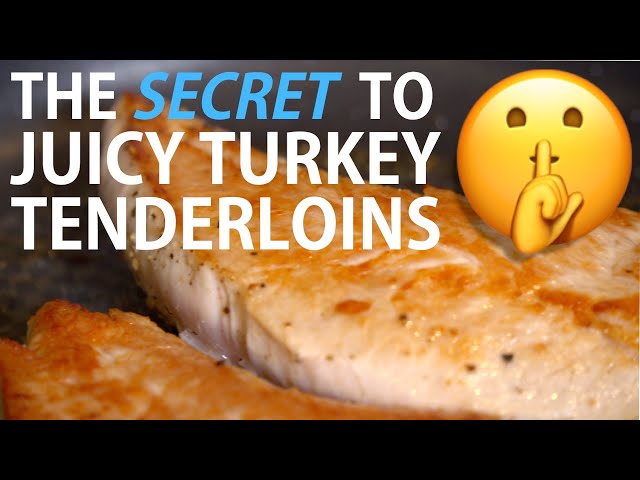
A recipe for turkey tenderloin is a set of directions for cooking turkey tenderloin, a sort of poultry meat. Turkey tenderloins are the lengthy, skinny muscle mass that run alongside the underside of the turkey breast. They’re a lean and flavorful reduce of meat and will be cooked a wide range of methods.
Turkey tenderloin is a flexible meat that can be utilized in a wide range of dishes. It may be roasted, grilled, pan-fried, or baked. Turkey tenderloin can also be a wholesome choice, as it’s a good supply of protein and low in fats.
There are lots of other ways to prepare dinner turkey tenderloin, however some of the standard strategies is roasting. To roast turkey tenderloin, preheat your oven to 400 levels Fahrenheit. Place the turkey tenderloin in a roasting pan and season it with salt, pepper, and your favourite herbs and spices. Roast the turkey tenderloin for about 20 minutes, or till it’s cooked via.
Recipe for Turkey Tenderloin
A recipe for turkey tenderloin supplies directions for cooking this lean and flavorful reduce of poultry. It’s versatile and will be ready utilizing numerous strategies, oven-roasting being a preferred alternative. Understanding the recipe’s key facets permits for profitable preparation.
- Components: Turkey tenderloin, seasonings, herbs, oil
- Preparation: Trimming, seasoning, marinating
- Cooking Technique: Roasting, grilling, pan-frying, baking
- Temperature: 400 levels Fahrenheit for roasting
- Cooking Time: 20 minutes per pound for roasting
- Taste Enhancers: Herbs, spices, marinades
- Serving Ideas: Sliced with roasted greens, in salads, sandwiches
- Storage: Refrigerate for 3-4 days, freeze for longer storage
- Well being Advantages: Lean protein, low in fats
These facets embody the essential components of a recipe for turkey tenderloin, guiding preparation, cooking, and pleasure. Understanding every facet ensures a tasty and satisfying culinary expertise.
Components
In a recipe for turkey tenderloin, the ingredientsturkey tenderloin, seasonings, herbs, and oilplay a vital function in attaining a flavorful and succulent dish.
Turkey tenderloin, the first ingredient, is a lean and tender reduce of poultry that types the bottom of the dish. Seasonings, akin to salt and pepper, improve the pure taste of the turkey, whereas herbs like thyme, rosemary, or sage add fragrant notes. Oil, usually olive oil or butter, helps to maintain the turkey moist and forestall it from drying out throughout cooking.
The mix of those components creates a symphony of flavors that tantalizes the style buds. The seasonings and herbs penetrate the turkey, infusing it with a savory depth, whereas the oil helps to caramelize the floor, leading to a golden-brown and crispy exterior. Every ingredient performs an important function within the general success of the dish.
Understanding the connection between these components and the recipe for turkey tenderloin empowers house cooks to experiment with completely different taste mixtures, creating distinctive and personalised culinary experiences.
Preparation
Within the context of a recipe for turkey tenderloin, preparation encompasses three important steps: trimming, seasoning, and marinating. These steps lay the groundwork for a flavorful and succulent dish.
-
Trimming:
Trimming includes eradicating any extra fats or sinew from the turkey tenderloin. This step ensures that the meat cooks evenly and prevents undesirable robust or chewy bits. Trimming additionally helps the seasonings and marinade penetrate the meat extra successfully.
-
Seasoning:
Seasoning enhances the pure taste of the turkey tenderloin. Salt and pepper are important, however numerous herbs and spices can be utilized to create completely different taste profiles. Seasoning will be utilized as a dry rub or a moist marinade.
-
Marinating:
Marinating includes submerging the seasoned turkey tenderloin in a liquid, akin to buttermilk or olive oil, for an prolonged interval. This course of permits the flavors to penetrate deeply into the meat, leading to a extra flavorful and tender dish. Marinating additionally helps to maintain the turkey moist throughout cooking.
The connection between these preparation steps and the general recipe for turkey tenderloin is essential. Correct trimming ensures even cooking and optimum taste absorption. Seasoning and marinating infuse the meat with deliciousness and improve its texture. By understanding the importance of those preparation steps, house cooks can elevate their turkey tenderloin dishes to culinary excellence.
Cooking Technique
Within the context of a recipe for turkey tenderloin, the cooking methodology performs a vital function in figuring out the feel, taste, and general success of the dish. Numerous cooking strategies will be employed, every imparting distinctive traits to the turkey tenderloin.
Roasting, grilling, pan-frying, and baking are widespread cooking strategies for turkey tenderloin. Roasting includes cooking the meat in an oven, leading to a young and juicy inside with a crispy exterior. Grilling imparts a smoky taste to the turkey tenderloin whereas creating grill marks for a visually interesting presentation. Pan-frying, however, creates a flavorful crust on the floor of the meat whereas preserving the within moist. Baking, much like roasting, produces a young and juicy turkey tenderloin, however with a barely much less crispy exterior in comparison with roasting.
The selection of cooking methodology is dependent upon private preferences and the specified consequence. For a traditional and flavorful dish, roasting is a dependable choice. Grilling provides a smoky twist, whereas pan-frying affords a mix of flavors and textures. Baking is a flexible methodology that enables for simple preparation and constant outcomes.
Understanding the connection between cooking methodology and recipe for turkey tenderloin empowers house cooks to pick out probably the most appropriate method for his or her culinary objectives. By contemplating components akin to desired texture, taste profile, and cooking gear, they’ll create a turkey tenderloin dish that meets their particular preferences and delights their style buds.
Temperature
Within the context of a recipe for turkey tenderloin, the desired temperature of 400 levels Fahrenheit for roasting performs a essential function in attaining the specified consequence of a superbly cooked dish.
-
Optimum Cooking:
Roasting turkey tenderloin at 400 levels Fahrenheit ensures that the meat cooks evenly and completely whereas sustaining its tenderness and juiciness. This temperature creates a steadiness between searing the outside for a flavorful crust and gently cooking the inside to retain moisture.
-
Time Administration:
The temperature of 400 levels Fahrenheit optimizes the roasting time, permitting the turkey tenderloin to achieve its ideally suited doneness with out overcooking or drying out. Understanding this temperature helps house cooks plan their cooking schedules accordingly.
-
Taste Improvement:
Roasting at 400 levels Fahrenheit promotes the event of complicated flavors within the turkey tenderloin. The excessive warmth caramelizes the floor, making a wealthy and savory crust whereas permitting the pure juices to flow into throughout the meat, leading to a flavorful and satisfying dish.
-
Meals Security:
Adhering to the beneficial temperature of 400 levels Fahrenheit helps make sure the meals security of the turkey tenderloin. This temperature is ample to get rid of dangerous micro organism whereas sustaining the meat’s tenderness and high quality.
By understanding the connection between “Temperature: 400 Levels Fahrenheit for Roasting” and “recipe for turkey tenderloin,” house cooks can obtain constantly scrumptious and secure outcomes. This particular temperature allows optimum cooking, time administration, taste growth, and meals security, contributing to an distinctive culinary expertise.
Cooking Time
Within the context of a recipe for turkey tenderloin, the cooking time of “20 minutes per pound for roasting” serves as a vital determinant of the dish’s success. Understanding the connection between cooking time and the recipe is important for attaining completely cooked and flavorful turkey tenderloin.
-
Optimum Cooking:
Roasting turkey tenderloin for the beneficial time of 20 minutes per pound ensures that the meat reaches its ideally suited doneness. This cooking time permits the inside of the meat to prepare dinner evenly and completely whereas sustaining its tenderness and juiciness, stopping overcooking or drying out.
-
Taste Improvement:
The cooking time performs an important function within the growth of flavors within the turkey tenderloin. Roasting for the desired length permits the meat’s pure juices to flow into and caramelize, leading to a wealthy and savory taste profile. The outside of the meat develops a golden-brown crust whereas the inside stays moist and flavorful.
-
Meals Security:
Adhering to the beneficial cooking time is important for making certain the meals security of the turkey tenderloin. Cooking the meat for an ample period of time helps get rid of dangerous micro organism, making certain that it’s secure for consumption.
By understanding the connection between “Cooking Time: 20 minutes per pound for roasting” and “recipe for turkey tenderloin,” house cooks can obtain constantly scrumptious and secure outcomes. This particular cooking time contributes to optimally cooked meat, flavorful growth, and meals security, resulting in an distinctive culinary expertise.
Taste Enhancers
Within the context of a recipe for turkey tenderloin, taste enhancers akin to herbs, spices, and marinades play a pivotal function in elevating the dish’s general style profile. These components add depth, complexity, and nuance, remodeling the turkey tenderloin from a easy protein supply to a culinary masterpiece.
-
Herbs:
Contemporary or dried herbs, akin to thyme, rosemary, oregano, and sage, impart fragrant and earthy notes to the turkey tenderloin. They can be utilized in rubs, marinades, or sprinkled over the meat earlier than roasting or grilling.
-
Spices:
Spices like paprika, cumin, coriander, and turmeric add heat, pungency, and a contact of unique taste to the turkey tenderloin. They can be utilized alone or together to create distinctive and flavorful blends.
-
Marinades:
Marinating the turkey tenderloin in a flavorful liquid, akin to olive oil, wine, or yogurt, infuses the meat with moisture, enhances its tenderness, and permits the flavors of the herbs and spices to penetrate deeply. Marinating instances can vary from just a few hours to in a single day.
By incorporating these taste enhancers right into a recipe for turkey tenderloin, house cooks can create a dish that tantalizes the style buds and leaves an enduring impression on their friends. The mix of herbs, spices, and marinades not solely elevates the flavour profile of the turkey but in addition contributes to its general texture and juiciness, making it a really distinctive culinary expertise.
Serving Ideas
Within the realm of culinary creativity, serving ideas play a vital function in guiding house cooks and galvanizing them to discover the total potential of a dish. Within the context of a recipe for turkey tenderloin, the serving ideas of “sliced with roasted greens, in salads, sandwiches” provide a tantalizing glimpse into the flexibility and flexibility of this delectable protein.
-
Sliced with Roasted Greens:
Thinly sliced turkey tenderloin pairs exceptionally effectively with a medley of roasted greens, creating a colourful and flavorful platter. The sweetness of roasted carrots, parsnips, or butternut squash enhances the savory notes of the turkey, whereas the earthy flavors of roasted Brussels sprouts or broccoli add a contact of rustic allure. This mixture is ideal for a comforting and healthful meal.
-
In Salads:
Shredded or diced turkey tenderloin provides a lean and protein-packed ingredient to salads. Its gentle taste permits it to mix seamlessly with a wide range of greens, greens, and dressings. Whether or not tossed with a crisp romaine lettuce salad, a hearty kale and quinoa salad, or a refreshing cucumber and tomato salad, turkey tenderloin elevates the dietary worth and style of any salad creation.
-
In Sandwiches:
Thinly sliced or shredded turkey tenderloin types the cornerstone of delectable sandwiches. Its delicate texture and delicate taste make it an excellent accomplice for a variety of bread, from crusty sourdough to mushy and fluffy focaccia. Layer it with crisp lettuce, ripe tomatoes, sliced cheese, and your favourite condiments to create a satisfying and moveable lunch or dinner choice.
These serving ideas not solely showcase the flexibility of turkey tenderloin but in addition present inspiration for creating balanced and flavorful meals. Whether or not served as a most important course or integrated into salads and sandwiches, turkey tenderloin affords infinite prospects for culinary exploration.
Storage
Within the context of a recipe for turkey tenderloin, correct storage is important for sustaining its high quality, taste, and security. The rules of “Refrigerate for 3-4 days, freeze for longer storage” present clear directions for preserving the cooked turkey tenderloin and lengthening its shelf life.
-
Refrigeration:
Refrigerating cooked turkey tenderloin for 3-4 days is a secure and efficient strategy to protect its high quality. The chilly temperature of the fridge inhibits bacterial progress, slowing down the spoilage course of. To maximise freshness, retailer the turkey tenderloin in an hermetic container or wrap it tightly in plastic wrap or aluminum foil.
-
Freezing:
Freezing cooked turkey tenderloin is a superb choice for longer-term storage. Freezing temperatures halt bacterial progress and protect the standard of the meat for an prolonged interval. To freeze turkey tenderloin, wrap it tightly in plastic wrap or aluminum foil, then place it in a freezer-safe container or bag. Frozen turkey tenderloin will be saved for as much as 2-3 months.
Understanding the connection between “Storage: Refrigerate for 3-4 days, freeze for longer storage” and “recipe for turkey tenderloin” empowers house cooks with the information to securely retailer their cooked turkey tenderloin, stopping spoilage and sustaining its optimum high quality for future use.
Well being Advantages
The well being advantages related to turkey tenderloin, particularly its lean protein and low-fat content material, play a big function in its culinary enchantment and dietary worth. Understanding this connection empowers people to make knowledgeable selections and incorporate turkey tenderloin into their diets for optimum well being outcomes.
-
Lean Protein:
Turkey tenderloin is a superb supply of lean protein, which is important for constructing and sustaining muscle mass, supporting tissue restore, and producing enzymes and hormones. Its excessive protein content material promotes satiety, serving to people really feel fuller for longer and lowering general calorie consumption.
-
Low in Fats:
In comparison with different sorts of meat, turkey tenderloin is comparatively low in fats, significantly saturated fats. Saturated fats consumption has been linked to an elevated danger of coronary heart illness, stroke, and sure sorts of most cancers. Incorporating low-fat protein sources like turkey tenderloin into the eating regimen may also help cut back the danger of those continual situations.
Within the context of a recipe for turkey tenderloin, the well being advantages of lean protein and low fats make it an excellent alternative for health-conscious people. Whether or not roasted, grilled, or pan-fried, turkey tenderloin supplies a nutritious and flavorful meal choice that helps general well-being.
FAQs on Recipe for Turkey Tenderloin
This part addresses ceaselessly requested questions associated to turkey tenderloin recipes, offering complete solutions to information house cooks and culinary fanatics.
Query 1: What’s the ideally suited cooking temperature for turkey tenderloin?
The optimum cooking temperature for turkey tenderloin is 165 levels Fahrenheit (74 levels Celsius). Utilizing a meat thermometer to measure the interior temperature ensures that the meat is cooked completely whereas remaining juicy and tender.
Query 2: How lengthy ought to I marinate turkey tenderloin?
The length of marinating turkey tenderloin is dependent upon private desire and the specified taste depth. Marinating for just a few hours can improve the flavour subtly, whereas longer marinating instances of as much as in a single day can lead to extra pronounced flavors.
Query 3: Can I substitute turkey tenderloin with rooster breast in a recipe?
Whereas each turkey tenderloin and rooster breast are lean protein sources, they’ve barely completely different flavors and textures. Substituting one for the opposite could alter the general style and texture of the dish. It is suggested to observe the recipe’s particular suggestions for one of the best outcomes.
Query 4: How do I forestall turkey tenderloin from drying out throughout cooking?
To stop turkey tenderloin from drying out, think about using a cooking methodology that includes moist warmth, akin to roasting with a lined lid, grilling with oblique warmth, or pan-frying with a small quantity of liquid. Basting the turkey tenderloin with its personal juices or a flavorful marinade throughout cooking may also assist retain moisture.
Query 5: Can I freeze cooked turkey tenderloin?
Sure, cooked turkey tenderloin will be frozen for future use. Permit it to chill utterly, then wrap it tightly in plastic wrap or aluminum foil and place it in a freezer-safe container or bag. Frozen cooked turkey tenderloin will be saved for as much as 3 months.
Query 6: What are some artistic methods to make use of leftover turkey tenderloin?
Leftover turkey tenderloin will be integrated into numerous dishes, akin to sandwiches, salads, tacos, or stir-fries. It will also be used as a protein supply in soups, stews, and casseroles, including taste and texture to those dishes.
These FAQs present worthwhile insights into getting ready and cooking turkey tenderloin, empowering house cooks to create scrumptious and satisfying meals.
Key Takeaways:
- Prepare dinner turkey tenderloin to an inside temperature of 165 levels Fahrenheit (74 levels Celsius).
- Regulate marinating time based mostly on desired taste depth.
- Take into account moist cooking strategies to forestall dryness.
- Freeze cooked turkey tenderloin for future use.
- Discover artistic methods to include leftover turkey tenderloin into meals.
Transition to the Subsequent Part:
With these FAQs addressed, let’s delve into the thrilling culinary world of turkey tenderloin recipes, exploring numerous cooking strategies, taste mixtures, and serving ideas.
Suggestions for a Good Turkey Tenderloin
To attain a succulent and flavorful turkey tenderloin, think about these knowledgeable ideas:
Tip 1: Brining:
Soak the turkey tenderloin in a flavorful brine resolution for a number of hours or in a single day. This course of infuses the meat with moisture and enhances its tenderness.
Tip 2: Seasoning:
Generously season the turkey tenderloin with a mix of herbs, spices, and salt. Permit it to relaxation for not less than half-hour earlier than cooking to permit the flavors to penetrate.
Tip 3: Cooking Technique:
Select a cooking methodology that fits your desire and the specified texture. Roasting, grilling, pan-frying, or sous vide are all glorious choices for turkey tenderloin.
Tip 4: Temperature Management:
Use a meat thermometer to make sure that the turkey tenderloin reaches an inside temperature of 165 levels Fahrenheit (74 levels Celsius) for optimum doneness and security.
Tip 5: Resting:
After cooking, enable the turkey tenderloin to relaxation for about 10 minutes earlier than carving. This resting interval permits the juices to redistribute, leading to a extra tender and juicy meat.
Tip 6: Slicing Method:
Slice the turkey tenderloin in opposition to the grain for optimum tenderness. This method prevents the meat from turning into robust and chewy.
Tip 7: Serving Ideas:
Pair the turkey tenderloin with roasted greens, mashed potatoes, or a flavorful sauce to create an entire and satisfying meal.
Abstract of Key Takeaways:
- Improve taste and tenderness via brining.
- Beneficiant seasoning and resting time elevate the style profile.
- Choose an acceptable cooking methodology for desired texture.
- Monitor inside temperature for optimum doneness and security.
- Correct slicing method ensures a young consuming expertise.
By following the following tips, you’ll be able to elevate your turkey tenderloin dishes to culinary excellence, impressing your loved ones and friends along with your culinary abilities.
Conclusion
By means of an in-depth exploration of the “recipe for turkey tenderloin,” we now have gained invaluable insights into the culinary nuances and strategies concerned in getting ready this delectable dish. From understanding the significance of choosing high-quality components to mastering numerous cooking strategies, every facet contributes to the creation of a young, flavorful, and visually interesting turkey tenderloin.
As we embark on our culinary journeys, allow us to embrace the teachings realized from this exploration. By incorporating these strategies and ideas into our cooking practices, we will elevate our turkey tenderloin dishes to new heights, impressing our family members and fellow meals fanatics alike. Keep in mind, the enjoyment of cooking lies not solely within the last product however within the information and abilities we purchase alongside the way in which.
Youtube Video: