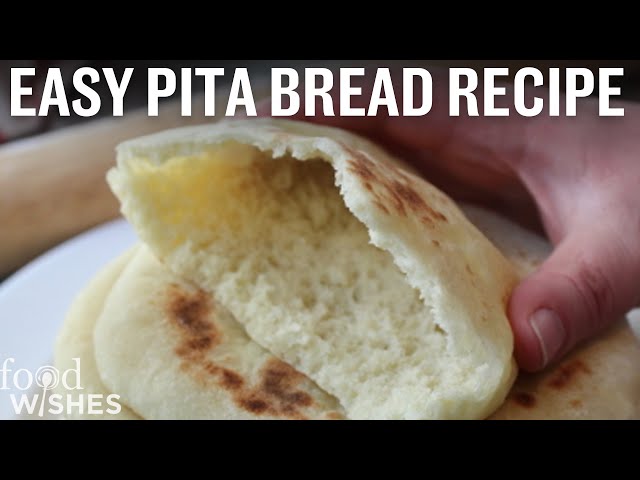
A recipe for pita bread is a set of directions for making a kind of flatbread that’s well-liked in lots of cultures. Pita bread is often constructed from wheat flour, water, yeast, and salt, and it’s usually cooked in a scorching oven or on a griddle. The ensuing bread is delicate and pliable, with a barely chewy texture. It may be used to make sandwiches, wraps, or as an accompaniment to soups and stews.
Pita bread is an efficient supply of carbohydrates, fiber, and protein. It is usually comparatively low in fats and energy. Pita bread has been a staple meals in lots of cultures for hundreds of years, and it’s nonetheless loved by folks all around the world immediately.
On this article, we are going to discover the historical past of pita bread, focus on the completely different substances and strategies used to make it, and supply some suggestions for making the right pita bread at residence. We may also discover a few of the completely different ways in which pita bread can be utilized in cooking.
Recipe for Pita Bread
A recipe for pita bread offers directions for making a scrumptious and versatile flatbread. Understanding its key features helps bakers obtain the right pita.
- Substances: Flour, water, yeast, salt
- Mixing: Mix substances to kind a dough
- Kneading: Develop gluten for elasticity
- Rising: Enable yeast to ferment and leaven the dough
- Shaping: Kind dough into rounds or ovals
- Cooking: Bake in a scorching oven or on a griddle
- Pocket Formation: Steam creates a pocket throughout baking
- Texture: Delicate and pliable with a chewy inside
- Makes use of: Sandwiches, wraps, dips, and extra
These features are essential for creating profitable pita bread. The mixture of the correct substances and cautious execution of every step, from mixing to baking, ensures a flavorful and genuine pita bread. Whether or not used as a wrap for fillings or as an accompaniment to stews, pita bread’s versatility makes it a staple in lots of cuisines worldwide.
Substances
Within the context of pita bread, these substances play basic roles in creating its distinctive traits and performance.
- Flour: The spine of pita bread, offering construction and texture. Several types of flour can affect the bread’s taste and texture.
- Water: Hydrates the flour, permitting gluten formation and figuring out the dough’s consistency.
- Yeast: A leavening agent that ferments the dough, creating carbon dioxide gasoline accountable for pita bread’s signature pocket.
- Salt: Enhances taste and strengthens gluten, contributing to the bread’s texture and stability.
The cautious stability of those substances and their interactions throughout the bread-making course of finally decide the standard and authenticity of pita bread.
Mixing
Mixing is a basic step within the recipe for pita bread, because it brings collectively the dry and moist substances to kind a cohesive dough. This course of initiates the event of gluten, a protein community that gives the bread with its construction and elasticity.
- Ingredient Incorporation: Mixing ensures that each one substances are evenly distributed all through the dough. That is essential for reaching a constant texture and taste profile.
- Gluten Growth: The bodily manipulation of the dough throughout mixing helps align and strengthen gluten strands. This course of is crucial for making a dough that may stand up to the rising course of and produce a chewy, pliable pita bread.
- Hydration Management: Mixing permits for the gradual addition of water, which is important for correct dough hydration. The quantity of water added impacts the dough’s consistency and the ultimate texture of the pita bread.
- Yeast Activation: If utilizing lively dry yeast, mixing incorporates it into the dough, permitting it to rehydrate and start the fermentation course of. This course of is crucial for creating the pockets attribute of pita bread.
The blending course of units the stage for the following steps in pita bread making. By fastidiously combining and manipulating the substances, bakers create a dough with the correct properties for rising, shaping, and baking, finally leading to a scrumptious and genuine pita bread.
Kneading
Within the context of pita bread, kneading serves as a vital step that develops gluten, a protein community that lends the bread its attribute elasticity and chewiness. This course of considerably impacts the bread’s texture and general high quality.
- Gluten Formation and Growth: Kneading initiates the alignment and strengthening of gluten strands throughout the dough. This course of is crucial for making a dough that may stand up to the rising course of and produce a bread with a chewy, pliable texture.
- Elasticity and Energy: The elasticity developed by kneading permits the dough to broaden and entice gases throughout rising, ensuing within the formation of the signature pockets attribute of pita bread. Moreover, it contributes to the bread’s skill to retain its form after baking.
- Texture Optimization: Correct kneading optimizes the feel of pita bread, stopping it from changing into too dense or crumbly. The event of gluten offers a framework that provides the bread its desired consistency and mouthfeel.
- Authenticity and Custom: Kneading is an integral a part of conventional pita bread-making methods. It mimics the hand-kneading strategies used for hundreds of years, contributing to the bread’s authenticity and cultural significance.
The event of gluten by kneading is prime to reaching the distinctive traits of pita bread. By understanding the position of kneading on this course of, bakers can create pita bread with the specified texture, elasticity, and authenticity.
Rising
Within the context of pita bread, the rising course of is essential because it permits the yeast to ferment and leaven the dough, ensuing within the attribute pockets and delicate, chewy texture. This course of considerably impacts the bread’s general high quality and authenticity.
Yeast Fermentation: Yeast is a residing organism that consumes sugars current within the dough and produces carbon dioxide gasoline as a byproduct. This gasoline will get trapped throughout the dough, inflicting it to broaden and rise. The fermentation course of additionally contributes to the event of taste and aroma compounds.
Pocket Formation: The growth of the dough throughout rising creates pockets or layers throughout the bread. These pockets are important for pita bread, as they permit steam to build up throughout baking, ensuing within the signature puffed-up form.
Texture Growth: The rising course of contributes to the event of pita bread’s delicate and chewy texture. The growth of the dough creates a community of gluten strands that give the bread its elasticity and talent to retain moisture.
Sensible Significance: Understanding the significance of rising in pita bread making permits bakers to manage the fermentation course of, guaranteeing correct dough improvement and the specified texture and taste profile. This data is crucial for producing high-quality, genuine pita bread that meets shopper expectations.
In abstract, the rising course of in pita bread making, facilitated by yeast fermentation, performs an important position in creating the bread’s attribute pockets, delicate texture, and general high quality. Bakers should fastidiously monitor and management this course of to attain the specified outcomes and produce scrumptious, genuine pita bread.
Shaping
Within the context of pita bread, shaping performs a vital position in figuring out the bread’s kind and performance. The method includes remodeling the risen dough into rounds or ovals, a step that considerably impacts the bread’s look, texture, and cooking habits.
The rounded or oval form is crucial for creating the signature pocket that pita bread is thought for. Throughout baking, the steam produced by the evaporating water throughout the dough expands and accumulates within the middle, inflicting the bread to puff up and kind the attribute pocket. A correctly formed dough ensures even growth and prevents the bread from tearing or bursting.
The sensible significance of shaping pita bread appropriately extends past its aesthetic enchantment. The pocket created throughout baking serves a purposeful goal. It permits for simple filling and offers a handy approach to get pleasure from pita bread as a sandwich or wrap. Moreover, the form optimizes the bread’s floor space, selling even cooking and leading to a uniform texture all through.
Understanding the connection between shaping and the recipe for pita bread empowers bakers with the information to create a visually interesting and structurally sound bread. By fastidiously forming the dough into rounds or ovals, bakers can guarantee the right improvement of the pocket, contributing to the general high quality and authenticity of their pita bread.
Cooking
Within the context of pita bread, the cooking technique performs a vital position in figuring out the bread’s texture, taste, and general high quality. The 2 main strategies used for cooking pita bread are baking in a scorching oven or on a griddle.
-
Baking in a Scorching Oven
Baking pita bread in a scorching oven exposes it to intense warmth, which creates a crispy crust and a delicate, chewy inside. The excessive temperature causes the water within the dough to evaporate rapidly, ensuing within the formation of steam that inflates the pocket attribute of pita bread. This technique is often utilized in business bakeries and residential ovens.
-
Cooking on a Griddle
Cooking pita bread on a scorching griddle imparts a novel taste and texture to the bread. The direct contact with the new floor creates a barely charred exterior whereas retaining the within delicate and pliable. This technique is commonly most popular in conventional Center Japanese cooking and is favored by many residence cooks for its simplicity and comfort.
Understanding the implications of cooking strategies on the recipe for pita bread permits bakers to decide on the approach that most accurately fits their desired end result. Whether or not in search of a crispy crust or a smoky taste, deciding on the suitable cooking technique is crucial for creating genuine and scrumptious pita bread.
Pocket Formation
Within the context of pita bread, the formation of a pocket is a defining attribute that units it other than different flatbreads. This pocket is created throughout the baking course of when steam accumulates throughout the dough, inflicting it to puff up and making a hole area inside.
-
Yeast Fermentation
The method of pocket formation begins with yeast fermentation. Yeast consumes sugars current within the dough and produces carbon dioxide gasoline as a byproduct. This gasoline will get trapped throughout the dough, inflicting it to broaden and rise. Because the dough bakes, the water current within the dough evaporates, additional contributing to the growth of the dough and the formation of the pocket.
-
Elastic Dough
The elasticity of the dough performs a vital position within the formation of the pocket. Correct kneading and dealing with of the dough develop gluten strands that kind a community throughout the dough. This community offers the dough with the power and elasticity wanted to stretch and broaden because the steam accumulates, permitting the pocket to kind and retain its form.
-
Excessive Warmth
Baking pita bread at a excessive temperature is crucial for the formation of the pocket. The excessive warmth causes the water within the dough to evaporate quickly, creating a considerable amount of steam in a brief period of time. This speedy growth of steam creates the stress wanted to inflate the dough and kind the pocket.
-
Pocket Dimension and Form
The dimensions and form of the pocket in pita bread can range relying on the quantity of dough used, the length of fermentation, and the baking temperature. Bakers can alter these components to create pita bread with the specified pocket measurement and form, catering to completely different preferences and culinary functions.
Understanding the connection between pocket formation and the recipe for pita bread permits bakers to manage and optimize this course of, leading to pita bread with the specified texture, look, and performance. The pocket formation is just not solely a defining attribute of pita bread but in addition contributes to its versatility and makes it appropriate for a variety of culinary functions.
Texture
Within the realm of pita bread, texture performs a defining position in shaping the sensory expertise. The delicate and pliable exterior, mixed with a chewy inside, characterizes this beloved flatbread.
-
The Function of Hydration
Hydration, achieved by the cautious stability of flour and water within the dough, contributes considerably to pita bread’s texture. Enough hydration permits the gluten community to develop absolutely, leading to a delicate and pliable dough that may stand up to the growth throughout baking.
-
Kneading and Gluten Growth
The method of kneading the dough promotes gluten improvement, creating a robust and elastic community that gives the bread with its attribute chewiness. Correct kneading ensures that the gluten strands align and strengthen, giving pita bread its distinctive texture.
-
Baking and Steam Formation
Throughout baking, the moisture current within the dough evaporates, creating steam that expands throughout the bread. This growth creates the signature pocket in pita bread and contributes to its delicate and pliable texture.
Understanding the connection between texture and the recipe for pita bread empowers bakers to create bread that meets their desired specs. By fastidiously controlling hydration, kneading methods, and baking situations, bakers can obtain the best stability of softness, pliability, and chewiness, leading to pita bread that delights the palate.
Makes use of
The flexibility of pita bread as a culinary canvas is a testomony to its enduring recognition. Its distinctive texture and form lend themselves to an enormous array of culinary functions, making it a staple in kitchens worldwide.
As a sandwich bread, pita bread offers a sturdy but pliable base that may accommodate quite a lot of fillings. Its pocket might be simply full of meats, cheeses, greens, and sauces, making it a handy and transportable meal possibility. Pita bread additionally excels as a wrap, its delicate and versatile nature permitting it to be rolled up with fillings of alternative, making a flavorful and handheld deal with.
Past sandwiches and wraps, pita bread serves as a great accompaniment to dips and spreads. Its impartial taste profile enhances a variety of dips, from hummus and baba ghanoush to guacamole and salsa, making it a flexible addition to any appetizer platter. Whether or not used for scooping, dipping, or wrapping, pita bread enhances the enjoyment of varied culinary creations.
Understanding the various makes use of of pita bread empowers residence cooks and culinary professionals alike to discover its full potential. By embracing its versatility, people can create a large number of scrumptious and satisfying dishes, showcasing the culinary adaptability of this beloved flatbread.
Regularly Requested Questions
This part addresses generally requested questions and misconceptions surrounding the recipe for pita bread, offering clear and informative solutions to reinforce understanding and profitable bread-making.
Query 1: What’s the excellent flour for pita bread?
Reply: Bread flour, with its increased protein content material, is beneficial for pita bread. It offers the required gluten power to create the specified chewy texture and pocket formation throughout baking.
Query 2: How necessary is kneading within the pita bread-making course of?
Reply: Kneading is essential because it develops the gluten within the dough, which contributes to the bread’s elasticity and talent to kind a pocket throughout baking. Correct kneading ensures the dough’s power and prevents it from tearing.
Query 3: What causes pita bread to puff up?
Reply: The puffing up of pita bread is attributable to steam launched throughout baking. Because the water within the dough evaporates, it creates steam that expands and separates the layers of dough, ensuing within the formation of the attribute pocket.
Query 4: Can I take advantage of a rolling pin to form pita bread?
Reply: Whereas it’s doable to make use of a rolling pin, it isn’t beneficial. Rolling can flatten the dough, making it tough to kind the pocket throughout baking. As an alternative, gently stretching and shaping the dough by hand is most popular.
Query 5: How do I retailer pita bread to take care of its freshness?
Reply: To protect the freshness of pita bread, retailer it in an hermetic container or plastic bag at room temperature for as much as two days. Alternatively, pita bread might be frozen for longer storage and reheated when wanted.
Query 6: What are some artistic methods to make use of pita bread?
Reply: Pita bread’s versatility extends past sandwiches and wraps. It may be used to make pizzas, croutons, breadsticks, and even desserts like bread pudding. Its impartial taste makes it a flexible canvas for numerous culinary creations.
In abstract, understanding the nuances of the pita bread recipe, from ingredient choice to shaping methods, is essential to reaching the specified texture, pocket formation, and general high quality. By addressing widespread questions and offering informative solutions, this FAQ part empowers bakers to confidently navigate the pita bread-making course of and create scrumptious, genuine pita bread at residence.
Transition to the following article part…
Suggestions for Crafting Distinctive Pita Bread
Mastering the artwork of pita bread requires consideration to element and some important suggestions that elevate the bread’s high quality and authenticity.
Tip 1: Embrace Excessive-High quality Flour
The muse of remarkable pita bread lies within the alternative of flour. Bread flour, with its increased protein content material, offers the required gluten power to create a pliable dough that may stand up to the formation of the signature pocket throughout baking.
Tip 2: Nurture the Dough with Enough Hydration
Correct hydration is essential for reaching the specified texture in pita bread. The dough needs to be moist however not sticky, permitting for simple dealing with whereas sustaining its skill to kind a cohesive ball.
Tip 3: Knead with Endurance and Goal
Kneading is an important step that develops the gluten within the dough, contributing to its elasticity. Take your time to knead completely, guaranteeing the dough turns into easy and supple, resembling a delicate, pliable ball.
Tip 4: Enable for Correct Proofing
Proofing offers the dough time to rise and develop its taste. Place the dough in a heat, draft-free atmosphere and permit it to double in measurement. This course of ensures the formation of a well-developed gluten community, leading to a lightweight and ethereal pita bread.
Tip 5: Form with Precision and Care
Gently form the dough into even rounds or ovals, guaranteeing they’re uniform in thickness. Take care to not overwork the dough, as this will hinder its skill to kind a pocket throughout baking.
Tip 6: Embrace the Energy of Warmth
Baking pita bread at a excessive temperature is crucial for creating the signature pocket. Preheat your oven or griddle to the specified temperature earlier than inserting the dough to make sure even cooking and optimum puffing.
Tip 7: Flip with Confidence
Because the pita bread bakes, maintain a watchful eye and flip it promptly when it begins to puff up. This ensures even cooking and prevents burning.
Tip 8: Savor the Freshness
Freshly baked pita bread is a delight to behold. Take pleasure in it heat or retailer it correctly to protect its softness and taste. Pita bread might be frozen for longer storage and reheated when wanted.
By incorporating the following pointers into your pita bread-making course of, you possibly can elevate the standard of your do-it-yourself bread, creating genuine and scrumptious pita bread that can impress your style buds and delight your family members.
Transition to the article’s conclusion…
Conclusion
By an in-depth exploration of the recipe for pita bread, we’ve gained a complete understanding of its important elements, the intricacies of its preparation, and the methods that contribute to its distinctive traits.
The mastery of pita bread-making lies within the cautious collection of substances, the event of the dough by kneading and proofing, and the exact execution of baking practices. By embracing the information outlined on this article, you possibly can elevate the standard of your do-it-yourself pita bread, creating an genuine and scrumptious flatbread that can delight your style buds and impress your family members.
As you embark in your pita bread-making journey, do not forget that follow and experimentation are key. Every try gives a possibility to refine your approach and deepen your understanding of this culinary artwork. Whether or not you’re a seasoned baker or a novice simply beginning your exploration of bread-making, might this text function a invaluable useful resource and information.
Youtube Video: