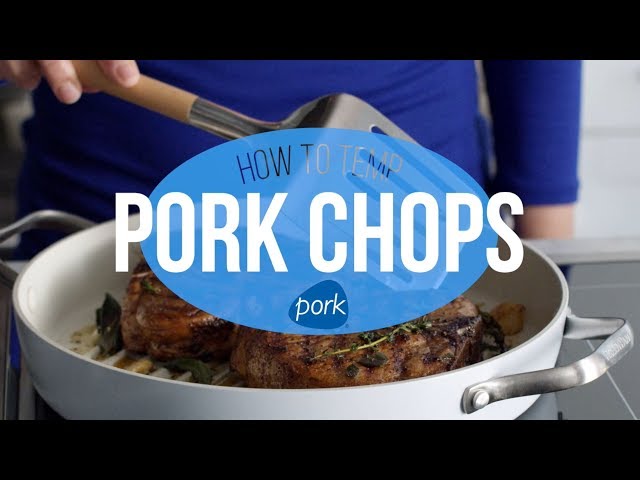
When cooking pork, it is important to make sure it reaches the right inner temperature to make sure security and optimum style. The interior cook dinner temp for pork refers back to the temperature at which the meat’s thickest half, sometimes measured with a meat thermometer, is taken into account secure for consumption and has achieved the specified stage of doneness.
Cooking pork to the right inner temperature is essential for a number of causes. Firstly, it helps stop foodborne sicknesses attributable to micro organism or parasites which may be current in uncooked or undercooked pork. Moreover, cooking pork to the right temperature ensures optimum texture, juiciness, and taste. Undercooked pork will be powerful and chewy, whereas overcooked pork will be dry and bland.
The advisable inner cook dinner temp for pork varies relying on the reduce and desired stage of doneness. Usually, the USDA recommends cooking pork to an inner temperature of 145F (63C) with a 3-minute relaxation time. This temperature ensures the meat is fit for human consumption whereas sustaining tenderness and juiciness. It is necessary to notice that utilizing a meat thermometer is probably the most correct solution to decide the inner temperature of pork.
Inside Cook dinner Temp for Pork
Understanding the inner cook dinner temp for pork is important for guaranteeing the protection and high quality of your pork dishes. Listed below are 9 key points to contemplate:
- Security: Pork should be cooked to a correct inner temperature to kill dangerous micro organism.
- Tenderness: Cooking pork to the appropriate temperature ends in tender and juicy meat.
- Taste: Correctly cooked pork has optimum taste and texture.
- USDA Tips: The USDA recommends an inner cook dinner temp of 145F (63C) with a 3-minute relaxation time.
- Thermometer Use: Utilizing a meat thermometer is essential for correct temperature measurement.
- Reduce of Pork: Totally different cuts of pork might have barely totally different advisable cooking temperatures.
- Resting Time: Permitting pork to relaxation after cooking helps redistribute juices, leading to juicier meat.
- Foodborne Sickness Prevention: Cooking pork to the right temperature helps stop foodborne sicknesses like trichinosis.
- Significance of Hygiene: Sustaining correct hygiene when dealing with and cooking pork is important to forestall contamination.
These points spotlight the significance of understanding the inner cook dinner temp for pork. By following the advisable pointers and utilizing a meat thermometer, you may make sure that your pork dishes are secure, flavorful, and satisfying.
Security
The interior cook dinner temp for pork is essential for guaranteeing the protection of pork dishes. Cooking pork to the right temperature helps kill dangerous micro organism, reminiscent of Salmonella, E. coli, and Trichinella, which might trigger foodborne sicknesses.
- Micro organism and Foodborne Diseases: Pork can harbor micro organism that may trigger foodborne sicknesses, reminiscent of Salmonella, which might result in signs like fever, vomiting, and diarrhea. Cooking pork to the right inner temperature kills these micro organism, decreasing the danger of sickness.
- Trichinella and Parasites: Trichinella is a parasite that may be present in pork and might trigger trichinosis, a situation that may result in muscle ache, fever, and fatigue. Cooking pork to the right inner temperature kills Trichinella and prevents trichinosis.
- Protected Inside Temperatures: The USDA recommends cooking pork to an inner temperature of 145F (63C) with a 3-minute relaxation time. This temperature ensures that the pork is fit for human consumption and has reached a degree the place dangerous micro organism have been eradicated.
- Penalties of Undercooking: Undercooked pork can harbor dangerous micro organism that may trigger foodborne sicknesses. Consuming undercooked pork can result in varied well being points and, in extreme instances, will be life-threatening.
Understanding the inner cook dinner temp for pork and adhering to advisable pointers are important for stopping foodborne sicknesses and guaranteeing the protection of pork dishes.
Tenderness
The interior cook dinner temp for pork performs a vital function in reaching tender and juicy meat. Cooking pork to the right temperature permits the meat’s connective tissues to interrupt down, leading to a extra tender texture. Moreover, cooking pork to the appropriate temperature helps retain moisture, stopping the meat from turning into dry and hard.
The advisable inner cook dinner temp for pork is 145F (63C) with a 3-minute relaxation time. This temperature ensures that the pork is cooked to some extent the place the connective tissues have had enough time to interrupt down, leading to tender meat. Cooking pork past this temperature can result in overcooked meat, which will be dry and chewy.
Understanding the connection between inner cook dinner temp and tenderness is important for reaching completely cooked pork dishes. By adhering to the advisable cooking temperatures and utilizing a meat thermometer to make sure accuracy, you may constantly get pleasure from tender and juicy pork.
Taste
The interior cook dinner temp for pork not solely impacts security and tenderness but additionally performs a pivotal function in reaching optimum taste and texture. Cooking pork to the right temperature permits the meat’s pure flavors to develop and enhances its total style expertise.
- Taste Growth: Cooking pork to the right inner temperature permits the meat’s pure flavors to develop and intensify. The warmth helps break down connective tissues and launch juices, leading to a extra flavorful and satisfying consuming expertise.
- Texture Optimization: Cooking pork to the appropriate temperature additionally optimizes its texture. Correctly cooked pork has a young and juicy texture that melts in your mouth. Undercooked pork will be powerful and chewy, whereas overcooked pork will be dry and bland.
- Moisture Retention: Cooking pork to the right inner temperature helps retain the meat’s pure moisture. This ends in juicy and flavorful pork that isn’t dry or overcooked.
- Enhanced Aroma: Correctly cooked pork releases an attractive aroma that stimulates the urge for food and provides to the general eating expertise. The aroma is a results of the Maillard response, which happens when amino acids and sugars within the meat work together at excessive temperatures.
Understanding the connection between inner cook dinner temp and taste is essential for reaching completely cooked pork dishes. By adhering to the advisable cooking temperatures and utilizing a meat thermometer to make sure accuracy, you may constantly get pleasure from flavorful and satisfying pork.
USDA Tips
The USDA’s advisable inner cook dinner temp for pork is an important facet of guaranteeing the protection and high quality of pork dishes. This guideline relies on scientific analysis and goals to forestall foodborne sicknesses whereas maximizing the flavour and texture of pork.
- Security: Cooking pork to an inner temperature of 145F (63C) successfully eliminates dangerous micro organism, reminiscent of Salmonella and E. coli, which might trigger foodborne sicknesses. By adhering to this guideline, you considerably cut back the danger of contracting these sicknesses.
- Tenderness: Cooking pork to the advisable inner temperature permits the meat’s connective tissues to interrupt down, leading to tender and juicy pork. Undercooked pork will be powerful and chewy, whereas overcooked pork will be dry and bland.
- Taste: Correctly cooked pork at 145F (63C) develops optimum taste. The warmth helps launch the meat’s pure juices and enhances its total style. Undercooked pork might not have totally developed its flavors, whereas overcooked pork can lose its juiciness and style.
- Resting Time: The three-minute resting time advisable by the USDA permits the pork’s juices to redistribute all through the meat, leading to extra evenly cooked and flavorful pork.
Understanding and following the USDA pointers for pork’s inner cook dinner temp is important for guaranteeing the protection, tenderness, taste, and total high quality of your pork dishes.
Thermometer Use
Figuring out the inner cook dinner temp for pork is essential for guaranteeing its security and high quality. A meat thermometer performs an important function on this course of by offering an correct measurement of the inner temperature, permitting you to cook dinner pork to the advisable temperature constantly.
- Guaranteeing Meals Security: Utilizing a meat thermometer helps make sure that pork is cooked to a secure inner temperature, eliminating dangerous micro organism and decreasing the danger of foodborne sicknesses.
- Reaching Optimum Tenderness: Cooking pork to the right inner temperature ends in tender and juicy meat. A meat thermometer means that you can monitor the temperature exactly, stopping undercooking or overcooking, which might result in powerful or dry pork.
- Constant Outcomes: A meat thermometer ensures constant cooking outcomes each time. By precisely measuring the inner temperature, you may obtain the specified stage of doneness to your pork dishes, whether or not you like it uncommon, medium, or well-done.
- Avoiding Undercooking or Overcooking: Relying solely on visible cues or time estimates can result in inaccurate cooking. A meat thermometer gives an goal measurement, eliminating guesswork and guaranteeing that your pork is cooked to perfection.
In abstract, utilizing a meat thermometer is indispensable for precisely measuring the inner cook dinner temp for pork. It promotes meals security, ensures optimum tenderness, gives constant outcomes, and prevents undercooking or overcooking. Incorporating a meat thermometer into your cooking routine empowers you to organize pork dishes with confidence, guaranteeing each security and culinary excellence.
Reduce of Pork
Understanding the inner cook dinner temp for pork is essential to make sure security and high quality, however it is very important be aware that totally different cuts of pork might have barely totally different advisable cooking temperatures. This variation is because of elements reminiscent of fats content material, thickness, and muscle construction.
- Fats Content material: Fattier cuts of pork, reminiscent of pork stomach or shoulder, can face up to larger cooking temperatures with out drying out. The fats helps to baste the meat and maintain it moist.
- Thickness: Thicker cuts of pork, reminiscent of pork loin or tenderloin, require longer cooking instances to make sure that the warmth penetrates evenly all through the meat.
- Muscle Construction: Totally different muscle tissues within the pig have totally different buildings, which might have an effect on their cooking time. For instance, pork chops from the loin are extra tender and cook dinner quicker than pork chops from the shoulder.
- Beneficial Cooking Temperatures: Whereas the USDA recommends a common inner cook dinner temp of 145F (63C) with a 3-minute relaxation time for all pork cuts, some cuts might profit from barely larger or decrease temperatures. For instance, pork shoulder is commonly cooked to an inner temperature of 195F (90C) to realize a fall-off-the-bone tenderness.
Understanding the totally different advisable cooking temperatures for varied pork cuts is important for reaching optimum outcomes. By adjusting the cooking temperature primarily based on the precise reduce, you may make sure that your pork dishes are cooked to perfection, delivering the absolute best taste and texture.
Resting Time
The resting time after cooking is an integral part of reaching the proper inner cook dinner temp for pork. When pork is cooked, its juices are compelled in the direction of the middle of the meat. Permitting the pork to relaxation for a couple of minutes after cooking permits these juices to redistribute all through the meat, leading to a extra evenly cooked and juicier ultimate product.
The resting time is especially necessary for thicker cuts of pork, reminiscent of pork loin or pork shoulder. These cuts take longer to cook dinner, and the resting time permits the juices to evenly distribute all through the meat, stopping the outer layer from turning into dry whereas the internal layer stays undercooked.
To make sure optimum outcomes, it’s endorsed to let the pork relaxation for not less than 5-10 minutes earlier than slicing and serving. This enables ample time for the juices to redistribute, leading to a extra flavorful and satisfying consuming expertise.
Foodborne Sickness Prevention
The interior cook dinner temp for pork performs a vital function in stopping foodborne sicknesses, notably trichinosis. Trichinosis is a parasitic an infection attributable to consuming uncooked or undercooked pork that accommodates the Trichinella parasite. The parasite could cause extreme signs, together with muscle ache, fever, nausea, and vomiting.
Cooking pork to the right inner temperature kills the Trichinella parasite, successfully stopping trichinosis. The USDA recommends cooking pork to an inner temperature of 145F (63C) with a three-minute relaxation time. This temperature ensures that each one components of the pork are cooked completely, eliminating the danger of Trichinella survival.
Understanding the connection between the inner cook dinner temp for pork and foodborne sickness prevention is crucial for guaranteeing the protection of pork dishes. By adhering to advisable cooking temperatures and utilizing a meat thermometer to precisely measure the inner temperature, people can considerably cut back the danger of contracting foodborne sicknesses like trichinosis.
Significance of Hygiene
Sustaining correct hygiene when dealing with and cooking pork is paramount to forestall contamination and make sure the security of pork dishes. This facet is carefully intertwined with the “inner cook dinner temp for pork,” as each contribute to the prevention of foodborne sicknesses.
- Stopping Cross-Contamination: Correct hygiene practices, reminiscent of washing arms, utensils, and work surfaces, assist stop cross-contamination. That is particularly necessary when dealing with uncooked pork, as it will probably comprise dangerous micro organism that may unfold to different meals or surfaces.
- Decreasing Bacterial Progress: Sustaining a clear atmosphere and correctly storing pork on the appropriate temperature inhibits the expansion of micro organism. This reduces the danger of micro organism multiplying to ranges that might trigger foodborne sicknesses.
- Guaranteeing Meals Security: Adhering to correct hygiene pointers minimizes the danger of foodborne sicknesses related to pork consumption. By stopping contamination and bacterial progress, correct hygiene practices contribute to the protection of pork dishes.
- Complementing Inside Cooking Temperature: Whereas cooking pork to the right inner temperature kills dangerous micro organism, sustaining correct hygiene practices additional reduces the danger of contamination and ensures the general security of pork dishes.
Understanding the significance of hygiene along side the “inner cook dinner temp for pork” is essential for guaranteeing the protection and high quality of pork dishes. By following correct hygiene protocols and adhering to advisable cooking temperatures, people can considerably cut back the danger of foodborne sicknesses and luxuriate in pork dishes with confidence.
FAQs on Inside Cook dinner Temp for Pork
The interior cook dinner temp for pork is an important facet of guaranteeing meals security and reaching optimum style. Listed below are solutions to some incessantly requested questions:
Query 1: What’s the advisable inner cook dinner temp for pork?
The USDA recommends cooking pork to an inner temperature of 145F (63C) with a three-minute relaxation time. This temperature helps kill dangerous micro organism and ensures that the pork is secure to devour.
Query 2: Why is it necessary to cook dinner pork to the right inner temperature?
Cooking pork to the right inner temperature kills dangerous micro organism, reminiscent of Salmonella and Trichinella, which might trigger foodborne sicknesses. It additionally helps make sure that the pork is cooked evenly and has achieved the specified stage of doneness.
Query 3: Can I take advantage of a meat thermometer to test the inner temperature of pork?
Sure, utilizing a meat thermometer is probably the most correct solution to decide the inner temperature of pork. Insert the thermometer into the thickest a part of the meat, avoiding any bones.
Query 4: What occurs if I undercook pork?
Undercooked pork can harbor dangerous micro organism that may trigger foodborne sicknesses. Signs of foodborne sickness might embrace nausea, vomiting, and diarrhea.
Query 5: What occurs if I overcook pork?
Overcooked pork can turn into dry and hard. You will need to cook dinner pork to the right inner temperature and keep away from overcooking it.
Query 6: How do I deal with and retailer pork safely?
To stop cross-contamination and bacterial progress, at all times wash your arms and utensils after dealing with uncooked pork. Retailer pork within the fridge at a temperature of 40F (4C) or beneath. Don’t retailer pork for greater than two days.
Following these pointers will make it easier to cook dinner pork safely and luxuriate in it as a part of a balanced eating regimen.
Transition to the following article part: Exploring the Versatility of Pork in Delicacies
Suggestions for Cooking Pork to the Excellent Inside Temperature
Reaching the proper inner cook dinner temp for pork is important for security and style. Listed below are a couple of suggestions that will help you grasp this culinary talent:
Tip 1: Use a meat thermometer
Probably the most correct solution to measure the inner temperature of pork is with a meat thermometer. Insert the thermometer into the thickest a part of the meat, avoiding any bones. The temperature ought to learn 145F (63C) with a three-minute relaxation time for optimum outcomes.
Tip 2: Cook dinner to the right inner temperature
Cooking pork to the right inner temperature is essential for meals security. The USDA recommends cooking pork to an inner temperature of 145F (63C) with a three-minute relaxation time. This temperature kills dangerous micro organism and ensures that the pork is secure to devour.
Tip 3: Relaxation the meat earlier than carving
Permitting the pork to relaxation for a couple of minutes earlier than carving helps the juices redistribute all through the meat, leading to a extra tender and flavorful dish. Let the pork relaxation for not less than three minutes earlier than slicing and serving.
Tip 4: Use quite a lot of cooking strategies
Pork will be cooked utilizing varied strategies, together with roasting, grilling, pan-frying, and sous vide. Every technique has its personal benefits and drawbacks, so select the one which most accurately fits your wants and preferences.
Tip 5: Do not overcook the pork
Overcooked pork can turn into dry and hard. Keep away from cooking the pork for longer than crucial. Use a meat thermometer to make sure that the pork has reached the right inner temperature earlier than eradicating it from the warmth.
By following the following pointers, you may cook dinner pork to perfection each time. Benefit from the scrumptious style and flexibility of this flavorful meat.
Transition to the article’s conclusion: The interior cook dinner temp for pork is an important facet of meals security and style. By understanding the rules and methods mentioned on this article, you may constantly cook dinner pork dishes which can be each secure and scrumptious.
Conclusion
The interior cook dinner temp for pork is a crucial consider guaranteeing the protection and high quality of pork dishes. Cooking pork to the right inner temperature kills dangerous micro organism, prevents foodborne sicknesses, and ends in tender and flavorful meat. Understanding the rules and methods mentioned on this article empowers you to cook dinner pork dishes with confidence, guaranteeing each meals security and culinary excellence.
Bear in mind, the advisable inner cook dinner temp for pork is 145F (63C) with a three-minute relaxation time. Use a meat thermometer to precisely measure the inner temperature and keep away from undercooking or overcooking the pork. By following these pointers, you may constantly put together scrumptious and secure pork dishes that showcase the flexibility and taste of this beloved meat.
Youtube Video: