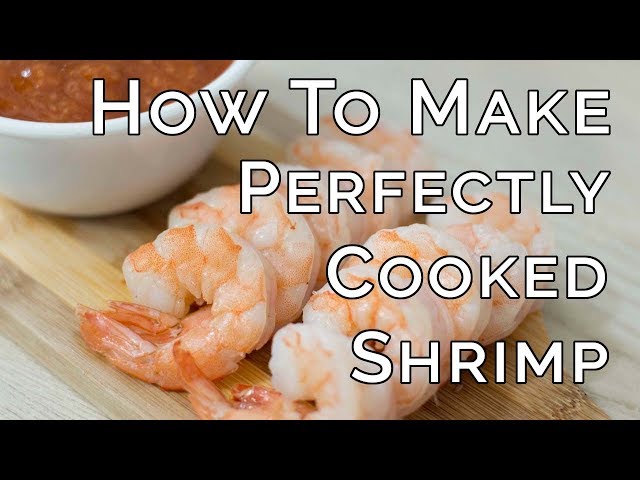
Cooked shrimp is a flexible and scrumptious seafood dish that may be loved in quite a lot of methods. Nevertheless, it is very important pay attention to how lengthy cooked shrimp is nice for with a view to keep away from foodborne sickness. Cooked shrimp could be saved within the fridge for as much as three days, or within the freezer for as much as three months.
The important thing to protecting cooked shrimp recent is to retailer it correctly. Cooked shrimp must be refrigerated or frozen in an hermetic container. This can assist to forestall the expansion of micro organism. It’s also essential to thaw cooked shrimp within the fridge earlier than consuming it. By no means thaw cooked shrimp at room temperature, as this may promote the expansion of micro organism.
Consuming spoiled shrimp can result in foodborne sickness, which may trigger signs equivalent to nausea, vomiting, diarrhea, and belly ache. In some circumstances, foodborne sickness may even be deadly. Due to this fact, it is very important pay attention to how lengthy cooked shrimp is nice for and to retailer it correctly to keep away from sickness.
How Lengthy is Cooked Shrimp Good For?
Consuming cooked shrimp previous its really useful shelf life can result in foodborne diseases. Understanding the elements affecting its longevity ensures its secure consumption. Listed here are 8 key features to contemplate:
- Storage temperature: Refrigeration (40F or under) extends shelf life; freezing preserves it longer.
- Correct storage: Hermetic containers stop contamination and moisture loss.
- Freshness of shrimp: Use recent, high-quality shrimp for optimum longevity.
- Cooking technique: Thorough cooking eliminates micro organism, extending shelf life.
- Added elements: Marinades or sauces can alter shelf life; contemplate their affect.
- Packaging: Vacuum-sealed or modified ambiance packaging enhances shelf life.
- Defrosting technique: Gradual thawing within the fridge maintains high quality.
- Sensory cues: Off-odors, discoloration, or slimy texture point out spoilage.
By contemplating these features, you may guarantee the protection and high quality of your cooked shrimp. Keep in mind, correct storage, dealing with, and a focus to sensory cues are essential for stopping foodborne diseases. If doubtful, discard the shrimp to keep away from any potential well being dangers.
Storage temperature
Understanding the affect of storage temperature on cooked shrimp is essential for making certain its longevity and stopping foodborne diseases. Refrigeration and freezing are two main strategies used to protect cooked shrimp, every with its personal benefits and implications.
-
Refrigeration:
Refrigeration at 40F or under slows down bacterial development, extending the shelf lifetime of cooked shrimp for as much as 3 days. This technique is appropriate for short-term storage and maintains the shrimp’s texture and taste comparatively effectively.
-
Freezing:
Freezing cooked shrimp at 0F or under considerably inhibits bacterial development, permitting for long-term storage of as much as 3 months. Freezing preserves the shrimp’s high quality however might barely alter its texture and taste upon thawing.
The selection between refrigeration and freezing depends upon the specified storage period and the supposed use of the cooked shrimp. For fast consumption or use inside a couple of days, refrigeration is the popular technique. For longer storage or preserving shrimp for future use, freezing is the really useful possibility.
Correct storage
Preserving the standard and lengthening the shelf lifetime of cooked shrimp hinges on correct storage practices, with hermetic containers taking part in a pivotal position. These containers safeguard cooked shrimp from exterior contaminants and moisture loss, contributing on to its longevity.
-
Prevention of Contamination:
Hermetic containers create a bodily barrier, shielding cooked shrimp from microorganisms, micro organism, and different contaminants current within the surrounding setting. This safety measure helps preserve the shrimp’s wholesomeness and prevents spoilage.
-
Moisture Retention:
Cooked shrimp is vulnerable to moisture loss, which can lead to a decline in high quality and taste. Hermetic containers successfully lure moisture, stopping evaporation and preserving the shrimp’s pure juices and delicate texture.
-
Prolonged Shelf Life:
By minimizing contamination and retaining moisture, hermetic containers contribute to extending the shelf lifetime of cooked shrimp. This enables for secure storage for prolonged intervals, making certain optimum high quality and freshness upon consumption.
-
Ease of Storage:
Hermetic containers provide a handy and sensible resolution for storing cooked shrimp. Their stackable design optimizes cupboard space, and their capacity to forestall leaks and spills minimizes mess and contamination dangers.
In conclusion, the usage of hermetic containers for storing cooked shrimp is a vital think about maximizing its shelf life and preserving its high quality. By stopping contamination, retaining moisture, and offering ease of storage, hermetic containers contribute considerably to making sure the longevity and pleasure of cooked shrimp.
Freshness of shrimp
The freshness of shrimp performs an important position in figuring out how lengthy cooked shrimp stays secure and palatable. Utilizing recent, high-quality shrimp as the start line enhances its shelf life and ensures a extra fulfilling consuming expertise.
-
Harvesting and Dealing with:
Contemporary shrimp must be harvested and dealt with correctly to take care of their high quality. This consists of speedy chilling and correct storage to forestall spoilage and protect their pure taste and texture.
-
Visible Inspection:
When choosing shrimp, search for agency, translucent flesh with a slight snap when bent. Keep away from shrimp with any indicators of discoloration, bruises, or an off odor, as these point out spoilage.
-
Storage Temperature:
Contemporary shrimp must be saved at or under 40F (4C) to decelerate bacterial development and protect its high quality. If not cooked instantly, recent shrimp could be saved within the fridge for as much as two days or within the freezer for as much as three months.
-
Cooking Strategies:
Correct cooking strategies can additional improve the shelf lifetime of cooked shrimp. Thorough cooking to an inner temperature of 145F (63C) kills micro organism and ensures meals security. Overcooking, nevertheless, can toughen the shrimp, so it is important to prepare dinner it simply till opaque.
By utilizing recent, high-quality shrimp and following correct storage and cooking strategies, you may lengthen the shelf lifetime of cooked shrimp and savor its scrumptious taste and texture for longer.
Cooking technique
When exploring how lengthy cooked shrimp is nice for, understanding the affect of cooking strategies is essential. Thorough cooking performs an important position in eliminating micro organism, straight affecting the shelf lifetime of cooked shrimp.
-
Stopping Bacterial Progress:
Cooking shrimp to an inner temperature of 145F (63C) ensures that dangerous micro organism, equivalent to Salmonella and Vibrio, are eradicated. Thorough cooking successfully reduces the danger of foodborne diseases and extends the shrimp’s shelf life.
-
Inhibiting Spoilage:
Correct cooking denatures enzymes and proteins chargeable for spoilage, slowing down the pure deterioration course of. This inhibits the expansion of spoilage-causing microorganisms, preserving the shrimp’s high quality and lengthening its shelf life.
-
Secure Storage:
Completely cooked shrimp could be safely saved within the fridge or freezer, additional extending its shelf life. Refrigeration inhibits bacterial development, whereas freezing considerably slows down spoilage processes.
In conclusion, the cooking technique straight impacts how lengthy cooked shrimp is nice for. Thorough cooking eliminates micro organism, inhibits spoilage, and permits for secure storage, in the end extending the shelf lifetime of cooked shrimp and making certain its high quality and security.
Added elements
The shelf lifetime of cooked shrimp could be considerably influenced by the addition of marinades or sauces. These elements can introduce microorganisms, alter the pH degree, and have an effect on the moisture content material of the shrimp, thereby impacting its spoilage fee.
Marinades and sauces typically include elements like herbs, spices, oils, and acids, which may help microbial development if not dealt with correctly. The pH degree of the marinade or sauce also can have an effect on the expansion of spoilage micro organism. For instance, acidic marinades can inhibit the expansion of some micro organism however might speed up the expansion of others. Moreover, marinades and sauces can alter the moisture content material of the shrimp, making it extra vulnerable to spoilage.
To make sure the protection and high quality of cooked shrimp with added elements, it’s essential to contemplate their affect on shelf life. Marinades and sauces must be freshly ready and used inside an affordable timeframe. They need to even be refrigerated or frozen to decelerate spoilage. You will need to word that the shelf lifetime of cooked shrimp with added elements could also be shorter than that of plain cooked shrimp.
Understanding the connection between added elements and shelf life is crucial for secure meals dealing with practices. By contemplating the affect of marinades and sauces, people can successfully lengthen the shelf lifetime of cooked shrimp and decrease the danger of foodborne diseases.
Packaging
The packaging technique performs a vital position in preserving the standard and lengthening the shelf lifetime of cooked shrimp. Vacuum-sealed or modified ambiance packaging (MAP) strategies provide important benefits on this regard.
-
Vacuum-sealed packaging:
Vacuum-sealed packaging removes air from the packaging, creating an oxygen-depleted setting that inhibits the expansion of cardio micro organism. This method successfully extends the shelf lifetime of cooked shrimp by slowing down spoilage and stopping oxidation.
-
Modified ambiance packaging (MAP):
MAP includes changing the air contained in the packaging with a managed gasoline combination, sometimes a mixture of oxygen, carbon dioxide, and nitrogen. This modified ambiance inhibits microbial development, reduces oxidative reactions, and helps preserve the standard of cooked shrimp.
Each vacuum-sealed and MAP strategies contribute to the prolonged shelf lifetime of cooked shrimp by creating an setting that slows down spoilage and preserves its freshness. These packaging strategies are extensively used within the seafood trade to make sure the protection and high quality of cooked shrimp throughout storage and distribution.
Defrosting technique
The defrosting technique considerably influences the standard and shelf lifetime of cooked shrimp. Gradual thawing within the fridge is very really useful to protect the shrimp’s texture, taste, and security.
Fast thawing strategies, equivalent to defrosting at room temperature or utilizing a microwave, can result in uneven thawing and the expansion of dangerous micro organism. Gradual thawing within the fridge permits the shrimp to thaw slowly and evenly, sustaining its mobile construction and stopping the lack of moisture and vitamins.
By defrosting cooked shrimp regularly within the fridge, people can lengthen its shelf life, protect its high quality, and guarantee its secure consumption. This technique successfully minimizes the danger of spoilage and foodborne diseases, contributing to the general enjoyment and well-being of shoppers.
Sensory cues
Sensory cues play an important position in figuring out the shelf life and edibility of cooked shrimp. Off-odors, discoloration, and slimy texture are telltale indicators of spoilage, indicating that the shrimp is now not secure for consumption.
-
Off-odors
Contemporary cooked shrimp ought to have a gentle, barely briny odor. Any noticeable off-odors, equivalent to bitter, ammonia-like, or fishy smells, point out spoilage attributable to bacterial development.
-
Discoloration
Contemporary cooked shrimp ought to have a translucent white or pink colour. Browning, yellowing, or darkening of the shrimp’s flesh or shell signifies spoilage and the breakdown of proteins.
-
Slimy texture
Contemporary cooked shrimp ought to have a agency, barely springy texture. A slimy or sticky texture signifies the presence of micro organism or spoilage enzymes which have damaged down the shrimp’s tissues.
By being attentive to these sensory cues, shoppers can successfully assess the standard and freshness of cooked shrimp, making certain that they eat solely secure and healthful seafood.
FAQs
Understanding the right storage and dealing with of cooked shrimp is crucial to make sure its high quality and security. Listed here are solutions to ceaselessly requested questions relating to the shelf lifetime of cooked shrimp:
Query 1: How lengthy can cooked shrimp be refrigerated?
Cooked shrimp could be saved within the fridge for as much as 3 days when correctly sealed in an hermetic container. Sustaining a temperature of 40F (4C) or under is essential to decelerate bacterial development and protect the shrimp’s high quality.
Query 2: Can cooked shrimp be frozen?
Sure, cooked shrimp could be frozen for as much as 3 months. Freeze the shrimp in hermetic, freezer-safe containers or vacuum-sealed baggage to forestall freezer burn and preserve its high quality. Thaw the shrimp regularly within the fridge or below chilly operating water earlier than utilizing.
Query 3: How can I inform if cooked shrimp has gone unhealthy?
Indicators of spoilage in cooked shrimp embrace an off odor (bitter, ammonia-like, or fishy), discoloration (browning, yellowing, or darkening), and a slimy or sticky texture. When you discover any of those indicators, discard the shrimp instantly for security causes.
Query 4: How ought to I reheat cooked shrimp?
Reheat cooked shrimp gently to keep away from overcooking and rubbery texture. Strategies equivalent to steaming, poaching, or microwaving on low energy work effectively. Keep away from boiling or frying, as these strategies can toughen the shrimp.
Query 5: Can I eat cooked shrimp that has been disregarded in a single day?
No, cooked shrimp shouldn’t be consumed if it has been disregarded at room temperature for greater than 2 hours. The nice and cozy setting promotes speedy bacterial development, posing a threat of foodborne sickness.
Query 6: Is it suitable for eating cooked shrimp uncooked?
No, it isn’t really useful to eat cooked shrimp uncooked. Cooking shrimp kills dangerous micro organism and parasites that could be current in uncooked shrimp, making it secure for consumption.
Keep in mind, correct storage, dealing with, and preparation are key to having fun with cooked shrimp safely and deliciously. When you have any considerations or discover any indicators of spoilage, err on the aspect of warning and discard the shrimp.
Transition to the subsequent article part:
Now that we’ve explored the shelf life and dealing with of cooked shrimp, let’s delve into its dietary advantages and culinary functions within the subsequent part.
Tricks to Keep the High quality and Shelf Lifetime of Cooked Shrimp
To make sure the optimum high quality and security of cooked shrimp, observe these important suggestions:
Tip 1: Retailer Correctly
Retailer cooked shrimp in hermetic containers or vacuum-sealed baggage to forestall contamination and moisture loss. Maintain shrimp refrigerated at a temperature of 40F (4C) or under for as much as 3 days.
Tip 2: Freeze for Prolonged Storage
For longer storage, freeze cooked shrimp for as much as 3 months. Freeze in hermetic, freezer-safe containers or vacuum-sealed baggage to forestall freezer burn.
Tip 3: Thaw Regularly
Thaw frozen cooked shrimp regularly within the fridge or below chilly operating water. Keep away from thawing at room temperature to forestall bacterial development.
Tip 4: Prepare dinner Completely
Reheat cooked shrimp totally to an inner temperature of 145F (63C) earlier than consuming. This eliminates dangerous micro organism and ensures meals security.
Tip 5: Keep away from Overcooking
Overcooking shrimp toughens its texture. Reheat or prepare dinner shrimp gently utilizing strategies like steaming, poaching, or microwaving on low energy.
Tip 6: Test for Spoilage
Discard cooked shrimp if it reveals indicators of spoilage, equivalent to an off odor, discoloration, or slimy texture. Consuming spoiled shrimp can result in foodborne sickness.
Tip 7: Observe Good Hygiene
Keep correct hygiene when dealing with cooked shrimp. Wash palms totally, use clear utensils, and keep away from cross-contamination with uncooked meals.
Abstract:
By following the following pointers, you may successfully preserve the standard and lengthen the shelf lifetime of cooked shrimp. Keep in mind to retailer correctly, freeze for prolonged storage, thaw regularly, prepare dinner totally, keep away from overcooking, verify for spoilage, and apply good hygiene to make sure the protection and pleasure of cooked shrimp.
Conclusion
Understanding the shelf lifetime of cooked shrimp is paramount for making certain its high quality and security. This text has totally explored varied elements that affect how lengthy cooked shrimp stays appropriate for consumption.
Correct storage strategies, equivalent to refrigeration and freezing, are important to increase shelf life. Cooking practices that remove micro organism and stop spoilage contribute to
By adhering to the rules and suggestions offered, people can successfully preserve the standard of cooked shrimp, decrease the danger of foodborne sickness, and totally benefit from the dietary advantages and culinary versatility of this scrumptious seafood.
Youtube Video: