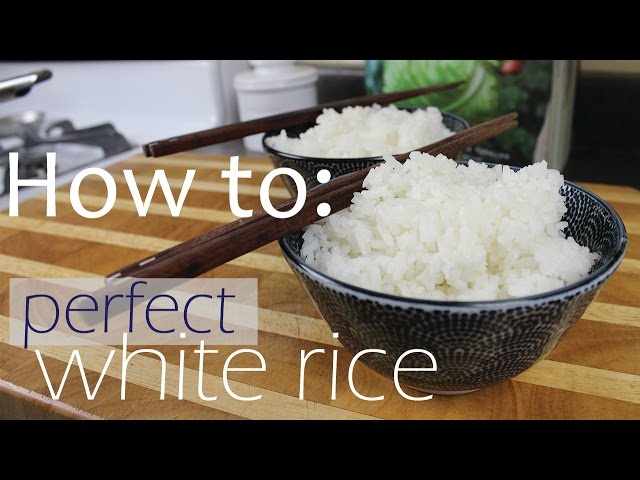
Cooking rice is a staple in lots of cultures world wide, and getting the water ratio proper is essential to attaining the right texture. The final rule of thumb is 1 cup of rice to 2 cups of water. Nevertheless, this will range relying on the kind of rice you might be cooking. For instance, long-grain rice requires a bit of extra water than short-grain rice.
The significance of utilizing the proper water ratio can’t be overstated. Too little water will end in undercooked rice that’s exhausting and chewy. An excessive amount of water will end in overcooked rice that’s mushy and sticky.
Along with the kind of rice, the altitude at which you might be cooking may have an effect on the water ratio. At greater altitudes, water boils at a decrease temperature, which signifies that it takes longer for the rice to prepare dinner. In consequence, you might want so as to add a bit of additional water when cooking rice at excessive altitudes.
How A lot Water to Prepare dinner Rice
Cooking rice is an easy activity, however getting the water ratio proper is crucial for attaining the right texture. Listed here are 10 key facets to think about when figuring out how a lot water to prepare dinner rice:
- Kind of rice: Various kinds of rice require totally different quantities of water. For instance, long-grain rice requires extra water than short-grain rice.
- Grain dimension: Bigger grains of rice require extra water than smaller grains.
- Cooking methodology: Rice cooked in a rice cooker requires much less water than rice cooked on the stovetop.
- Altitude: Water boils at a decrease temperature at greater altitudes, so extra water is required to prepare dinner rice at excessive altitudes.
- Desired texture: Some folks favor their rice to be extra al dente, whereas others favor it to be extra mushy. The quantity of water used will have an effect on the feel of the rice.
- Age of rice: Older rice absorbs extra water than newer rice.
- High quality of rice: Increased high quality rice will take in extra water than decrease high quality rice.
- Model of rice: Totally different manufacturers of rice might have totally different water absorption charges.
- Seasoning: If you’re including seasoning to your rice, similar to salt or butter, you might want to regulate the quantity of water used.
- Private choice: Finally, one of the best ways to find out how a lot water to prepare dinner rice is to experiment and discover what you favor.
These are only a few of the important thing facets to think about when figuring out how a lot water to prepare dinner rice. By taking these elements under consideration, you’ll be able to be certain that your rice seems completely each time.
Kind of rice
The kind of rice you might be cooking is among the most vital elements to think about when figuring out how a lot water to make use of. Various kinds of rice have totally different starch contents, which impacts how a lot water they take in. Lengthy-grain rice has a decrease starch content material than short-grain rice, so it requires extra water to prepare dinner.
-
Aspect 1: Grain dimension
The scale of the rice grains additionally impacts how a lot water they take in. Bigger rice grains require extra water than smaller rice grains.
-
Aspect 2: Cooking methodology
The cooking methodology you utilize can even have an effect on how a lot water you should use. Rice cooked in a rice cooker requires much less water than rice cooked on the stovetop.
-
Aspect 3: Desired texture
The quantity of water you utilize can even have an effect on the feel of the rice. If you’d like your rice to be extra al dente, use much less water. If you’d like your rice to be extra mushy, use extra water.
-
Aspect 4: Altitude
The altitude at which you might be cooking may have an effect on how a lot water you should use. Water boils at a decrease temperature at greater altitudes, so extra water is required to prepare dinner rice at excessive altitudes.
By contemplating all of those elements, you’ll be able to decide the right quantity of water to make use of to prepare dinner your rice. This may enable you to obtain the right texture and taste each time.
Grain dimension
The scale of the rice grains is a vital issue to think about when figuring out how a lot water to prepare dinner rice. Bigger rice grains have the next floor space, which signifies that they will take in extra water than smaller rice grains. This is the reason long-grain rice requires extra water to prepare dinner than short-grain rice.
-
Aspect 1: Floor space
The floor space of the rice grains is the principle issue that impacts how a lot water they will take in. Bigger rice grains have the next floor space than smaller rice grains, to allow them to take in extra water.
-
Aspect 2: Starch content material
The starch content material of the rice grains additionally impacts how a lot water they will take in. Rice grains with the next starch content material can take in extra water than rice grains with a decrease starch content material.
-
Aspect 3: Cooking time
The cooking time additionally impacts how a lot water the rice grains can take in. Rice grains which are cooked for an extended time period can take in extra water than rice grains which are cooked for a shorter time period.
-
Aspect 4: Water temperature
The temperature of the water additionally impacts how a lot water the rice grains can take in. Rice grains which are cooked in hotter water can take in extra water than rice grains which are cooked in colder water.
By understanding the connection between grain dimension and water absorption, you’ll be able to decide the right quantity of water to make use of to prepare dinner your rice. This may enable you to obtain the right texture and taste each time.
Cooking methodology
The cooking methodology you utilize may have an effect on how a lot water you should use to prepare dinner rice. Rice cooked in a rice cooker requires much less water than rice cooked on the stovetop as a result of the rice cooker makes use of a managed heating ingredient to prepare dinner the rice evenly. This prevents the rice from overcooking and absorbing an excessive amount of water.
-
Cooking setting
Rice cookers create a sealed setting that traps steam and moisture, which helps the rice to prepare dinner evenly. This prevents the rice from drying out and absorbing an excessive amount of water.
-
Temperature management
Rice cookers have a built-in thermostat that controls the temperature of the water, which prevents the rice from overcooking. This additionally helps to forestall the rice from absorbing an excessive amount of water.
-
Absorption fee
Rice cooked in a rice cooker absorbs water at a slower fee than rice cooked on the stovetop. It is because the rice cooker makes use of a decrease warmth setting and an extended cooking time.
By understanding the connection between cooking methodology and water absorption, you’ll be able to decide the right quantity of water to make use of to prepare dinner your rice. This may enable you to obtain the right texture and taste each time.
Altitude
The altitude at which you might be cooking may have an effect on how a lot water you should use to prepare dinner rice. Water boils at a decrease temperature at greater altitudes, which signifies that it takes longer for the rice to prepare dinner. In consequence, extra water is required to make sure that the rice cooks evenly and totally.
-
Boiling level
The boiling level of water decreases as altitude will increase. It is because the air stress is decrease at greater altitudes, which permits water to boil at a decrease temperature.
-
Cooking time
The cooking time for rice will increase as altitude will increase. It is because the water takes longer to boil at greater altitudes, which signifies that it takes longer for the rice to prepare dinner.
-
Water absorption
Rice absorbs extra water at greater altitudes. It is because the decrease boiling level of water at greater altitudes signifies that the rice has extra time to soak up water earlier than it cooks.
By understanding the connection between altitude and water absorption, you’ll be able to decide the right quantity of water to make use of to prepare dinner rice at any altitude. This may enable you to obtain the right texture and taste each time.
Desired texture
The quantity of water used to prepare dinner rice has a big affect on the feel of the completed product. Those that favor their rice to be extra al dente, with a slight chunk to it, ought to use much less water. Conversely, those that favor their rice to be extra mushy ought to use extra water.
-
Starch gelatinization
When rice is cooked, the starch granules within the rice take in water and swell. This course of is called starch gelatinization. The quantity of water used impacts the speed at which starch gelatinization happens. Much less water ends in a decrease fee of starch gelatinization, which produces rice that’s extra al dente. Extra water ends in the next fee of starch gelatinization, which produces rice that’s extra mushy.
-
Amylose and amylopectin
Rice starch consists of two sorts of molecules: amylose and amylopectin. Amylose is a linear molecule, whereas amylopectin is a branched molecule. The ratio of amylose to amylopectin in rice impacts the feel of the cooked rice. Rice with the next amylose content material can be extra al dente, whereas rice with a decrease amylose content material can be extra mushy.
-
Cooking time
The cooking time additionally impacts the feel of the rice. Rice that’s cooked for a shorter time period can be extra al dente, whereas rice that’s cooked for an extended time period can be extra mushy. It is because the longer the rice is cooked, the extra time the starch granules have to soak up water and swell.
-
Water temperature
The temperature of the water used to prepare dinner the rice additionally impacts the feel of the completed product. Rice that’s cooked in hotter water can be extra al dente, whereas rice that’s cooked in colder water can be extra mushy. It is because the warmer the water, the quicker the starch granules will gelatinize.
By understanding the connection between water content material and rice texture, you’ll be able to prepare dinner rice that’s completely tailor-made to your preferences.
Age of rice
The age of rice is a vital issue to think about when figuring out how a lot water to prepare dinner rice. Older rice absorbs extra water than newer rice as a result of it has misplaced a few of its starch content material. Starch is a carbohydrate that absorbs water, so older rice would require extra water to prepare dinner than newer rice.
-
Starch content material
Starch is a fancy carbohydrate that’s present in all crops. It’s the principal supply of power for crops and can also be an vital a part of the human weight loss plan. When rice is milled, among the starch is eliminated. This is the reason brown rice has the next starch content material than white rice.
-
Water absorption
The quantity of water that rice absorbs depends upon its starch content material. Rice with the next starch content material will take in extra water than rice with a decrease starch content material. This is the reason older rice, which has misplaced a few of its starch content material, will take in extra water than newer rice.
-
Cooking time
The cooking time for rice can even range relying on its age. Older rice will take longer to prepare dinner than newer rice as a result of it has misplaced a few of its starch content material. Because of this the starch granules in older rice will take longer to gelatinize, which is the method by which they take in water and swell.
By understanding the connection between the age of rice and its water absorption, you’ll be able to alter the quantity of water you utilize to prepare dinner rice accordingly. This may enable you to obtain the right texture and taste each time.
High quality of rice
When figuring out how a lot water to prepare dinner rice, the standard of the rice is a key issue to think about. Typically, greater high quality rice will take in extra water than decrease high quality rice.
-
Milling
The milling course of removes the bran and germ from the rice grain. This course of can have an effect on the water absorption of rice. Brown rice, which has not been milled, has the next bran and germ content material than white rice, which has been milled. In consequence, brown rice will take in extra water than white rice.
-
Selection
Totally different sorts of rice have totally different starch contents. Starch is a carbohydrate that absorbs water. Rice with the next starch content material will take in extra water than rice with a decrease starch content material. For instance, long-grain rice has a decrease starch content material than short-grain rice. In consequence, long-grain rice will take in much less water than short-grain rice.
-
Age
As rice ages, it loses a few of its starch content material. This is the reason older rice will take in much less water than newer rice.
-
Cooking time
The cooking time can even have an effect on how a lot water the rice absorbs. Rice that’s cooked for an extended time period will take in extra water than rice that’s cooked for a shorter time period.
By understanding the connection between the standard of rice and its water absorption, you’ll be able to alter the quantity of water you utilize to prepare dinner rice accordingly. This may enable you to obtain the right texture and taste each time.
Model of rice
When figuring out how a lot water to prepare dinner rice, you will need to contemplate the model of rice you might be utilizing. Totally different manufacturers of rice might have totally different water absorption charges, which might have an effect on the ultimate texture of the rice.
-
Milling
The milling course of removes the bran and germ from the rice grain. Totally different manufacturers of rice might use totally different milling methods, which might have an effect on the water absorption fee of the rice. Brown rice, which has not been milled, has the next bran and germ content material than white rice, which has been milled. In consequence, brown rice will usually have the next water absorption fee than white rice.
-
Selection
Totally different sorts of rice have totally different starch contents. Starch is a carbohydrate that absorbs water. Rice with the next starch content material can have the next water absorption fee. For instance, long-grain rice has a decrease starch content material than short-grain rice. In consequence, long-grain rice will usually have a decrease water absorption fee than short-grain rice.
-
Age
As rice ages, it loses a few of its starch content material. This is the reason older rice will usually have a decrease water absorption fee than newer rice.
-
Cooking time
The cooking time can even have an effect on the water absorption fee of the rice. Rice that’s cooked for an extended time period will take in extra water than rice that’s cooked for a shorter time period.
By understanding the connection between the model of rice and its water absorption fee, you’ll be able to alter the quantity of water you utilize to prepare dinner rice accordingly. This may enable you to obtain the right texture and taste each time.
Seasoning
When cooking rice, you will need to contemplate the quantity of water used. The final rule of thumb is 1 cup of rice to 2 cups of water. Nevertheless, this will range relying on a lot of elements, together with the kind of rice, the cooking methodology, and the specified texture.
One issue that may have an effect on the quantity of water wanted is the addition of seasoning. Salt and butter are two widespread seasonings that may be added to rice. When these seasonings are added, they will take in among the water that may in any other case be absorbed by the rice. In consequence, you will need to cut back the quantity of water used when including seasoning to rice.
-
The quantity of seasoning added
The quantity of seasoning added to the rice will have an effect on how a lot water is required. A small quantity of seasoning is not going to require a big discount in water, however a considerable amount of seasoning might require a extra substantial discount.
-
The kind of seasoning added
Various kinds of seasoning have totally different water absorption charges. For instance, salt absorbs extra water than butter. In consequence, you will need to alter the quantity of water used accordingly.
-
The cooking methodology
The cooking methodology may have an effect on how a lot water is required. Rice cooked in a rice cooker would require much less water than rice cooked on the stovetop. It is because rice cookers use a managed heating ingredient to prepare dinner the rice evenly, which prevents the rice from overcooking and absorbing an excessive amount of water.
-
The specified texture
The specified texture of the rice can even have an effect on how a lot water is required. Rice that’s cooked for an extended time period can be extra tender and have the next water content material than rice that’s cooked for a shorter time period. In consequence, you will need to alter the quantity of water used accordingly.
By contemplating all of those elements, you’ll be able to decide the right quantity of water to make use of to prepare dinner rice. This may enable you to obtain the right texture and taste each time.
Private choice
In relation to cooking rice, there isn’t a one-size-fits-all reply to the query of how a lot water to make use of. The best water-to-rice ratio will range relying on a lot of elements, together with the kind of rice, the cooking methodology, and the specified texture.
One of the best ways to find out how a lot water to make use of to your specific wants is to experiment and discover what you favor. Begin with the essential ratio of 1 cup of rice to 2 cups of water, after which alter the quantity of water as wanted till you obtain the specified texture.
When you favor your rice to be extra al dente, use much less water. When you favor your rice to be extra mushy, use extra water. It’s also possible to alter the quantity of water based mostly on the cooking methodology. For instance, rice cooked in a rice cooker would require much less water than rice cooked on the stovetop.
Finally, one of the best ways to find out how a lot water to prepare dinner rice is to belief your individual style buds and experiment till you discover what you favor.
Listed here are some extra ideas for cooking rice:
- Use a measuring cup to make sure that you’re utilizing the right amount of rice and water.
- Rinse the rice earlier than cooking to take away any extra starch.
- Carry the water to a boil earlier than including the rice.
- Cut back the warmth to low and simmer the rice till all the water has been absorbed.
- Fluff the rice with a fork earlier than serving.
By following the following tips, you’ll be able to prepare dinner good rice each time.
FAQs on Cooking Rice
Cooking rice is an easy activity, however getting the water ratio proper is crucial for attaining the right texture. Listed here are solutions to among the most steadily requested questions on how a lot water to prepare dinner rice:
Query 1: How a lot water ought to I exploit to prepare dinner rice?
The final rule of thumb is to make use of 1 cup of water for each 1 cup of rice. Nevertheless, this will range relying on the kind of rice, the cooking methodology, and the specified texture.
Query 2: What’s one of the best ways to measure the water?
One of the best ways to measure the water is to make use of a measuring cup. This may guarantee that you’re utilizing the right amount of water and keep away from over- or undercooking the rice.
Query 3: Ought to I rinse the rice earlier than cooking?
Sure, it’s a good suggestion to rinse the rice earlier than cooking. This may take away any extra starch and assist to forestall the rice from sticking collectively.
Query 4: What’s one of the best ways to prepare dinner rice?
There are a number of alternative ways to prepare dinner rice, however the commonest strategies are the stovetop methodology and the rice cooker methodology. The stovetop methodology is straightforward and simple, whereas the rice cooker methodology is extra handy and hands-off.
Query 5: How lengthy does it take to prepare dinner rice?
The cooking time for rice will range relying on the kind of rice and the cooking methodology. Nevertheless, most sorts of rice can be cooked in 15-20 minutes.
Query 6: What ought to I do if my rice is overcooked or undercooked?
In case your rice is overcooked, it will likely be mushy and sticky. In case your rice is undercooked, it will likely be exhausting and chewy. If both of those occurs, you’ll be able to attempt to alter the cooking time or the quantity of water subsequent time you prepare dinner rice.
Abstract: Cooking rice is an easy activity, however there are some things you are able to do to make sure that your rice seems good each time. By following the following tips, you’ll be able to prepare dinner scrumptious, fluffy rice that’s good for any meal.
Transition to the following article part: Now that you know the way to prepare dinner rice, you’ll be able to learn to make a wide range of rice dishes. From easy aspect dishes to advanced pilafs, there’s a rice dish for everybody.
Suggestions for Cooking Excellent Rice
Cooking rice is an easy activity, however there are some things you are able to do to make sure that your rice seems good each time. Listed here are 5 ideas that will help you prepare dinner the right rice:
Use the proper water-to-rice ratio. The final rule of thumb is to make use of 1 cup of water for each 1 cup of rice. Nevertheless, this will range relying on the kind of rice you might be cooking. For instance, long-grain rice requires extra water than short-grain rice.
Rinse the rice earlier than cooking. This may take away any extra starch and assist to forestall the rice from sticking collectively.
Carry the water to a boil earlier than including the rice. This may assist to make sure that the rice cooks evenly.
Cut back the warmth to low and simmer the rice till all the water has been absorbed. This may assist to forestall the rice from overcooking and turning into mushy.
Fluff the rice with a fork earlier than serving. This may assist to separate the grains of rice and provides it a light-weight and fluffy texture.
By following the following tips, you’ll be able to prepare dinner good rice each time. Whether or not you make a easy aspect dish or a fancy pilaf, the following tips will enable you to obtain the right texture and taste.
Transition to the article’s conclusion: Now that you know the way to prepare dinner the right rice, you’ll be able to learn to make a wide range of rice dishes. From easy aspect dishes to advanced pilafs, there’s a rice dish for everybody.
Conclusion
Figuring out the proper water-to-rice ratio is essential for cooking good rice. By understanding the elements that have an effect on water absorption, similar to rice sort, grain dimension, cooking methodology, and private choice, you’ll be able to obtain the specified texture and taste each time.
Bear in mind, cooking rice is a ability that improves with observe. Do not be afraid to experiment with totally different water ratios and methods till you discover what works finest for you. With a bit of persistence and a focus to element, you’ll be able to grasp the artwork of cooking good rice and luxuriate in scrumptious, fluffy outcomes each time.
Youtube Video: